Home EV Charger Installation: What It Really Costs in 2026
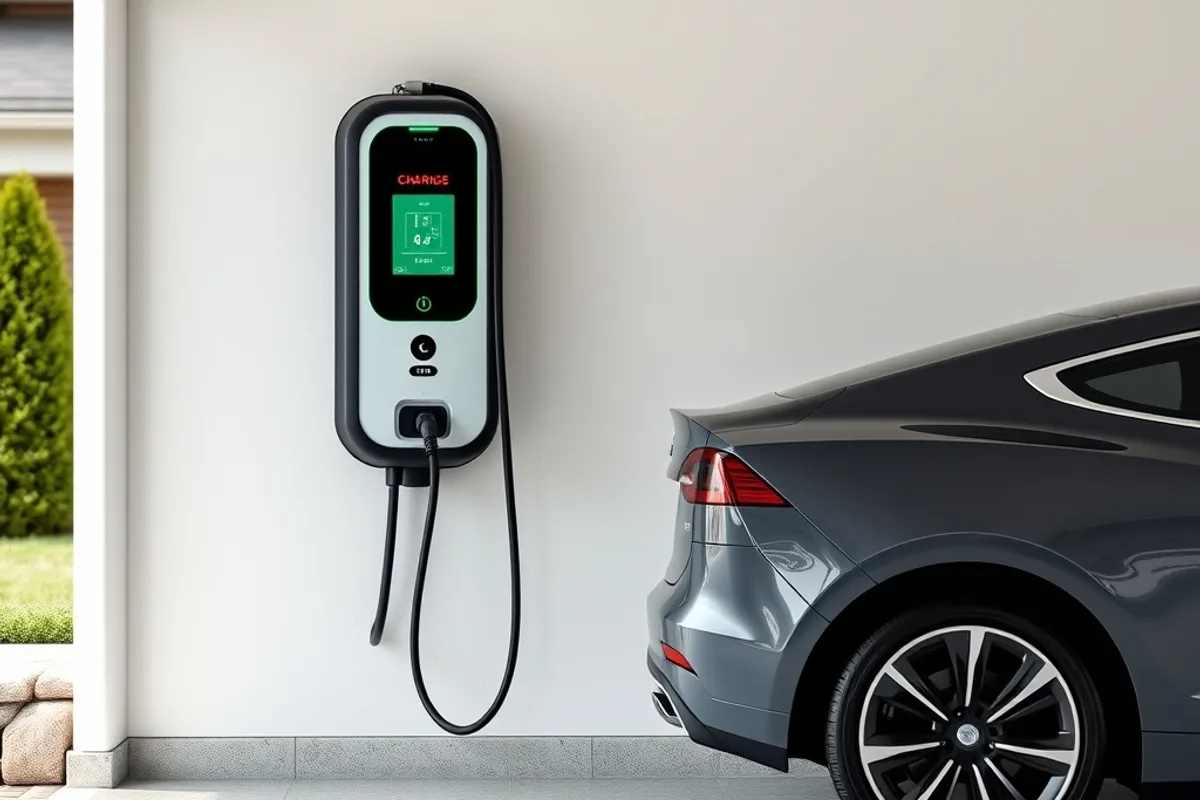
A home charger turns electric ownership from a logistics exercise into a habit: plug in at night, wake up full. The hardware is straightforward, but installation costs vary wildly because every house is different. In 2026, most drivers should budget $700 to $1,800 for a complete Level 2 installation, with a realistic upper limit of $3,000 if the electrical panel needs work.
Level 1 vs Level 2
A Level 1 charger uses a standard 120-volt outlet and adds about 3 to 5 miles of range per hour. It is fine for plug-in hybrids or very low-mileage drivers, but most EV owners quickly outgrow it. Level 2 uses a 240-volt circuit, adds 20 to 40 miles per hour and is the standard choice for overnight charging.
If you drive 40 miles a day, Level 1 can keep up. If you drive 80 or more, especially in winter, Level 2 is worth the cost. The difference is convenience and the ability to recover from a busy weekend without planning.
What the installation actually involves
An electrician runs a dedicated circuit from the panel to the charger location, usually 6-gauge wire on a 40- or 50-amp breaker. The cable route determines the price: a short run through an unfinished garage is cheap, while a long run through finished walls or a detached garage is expensive.
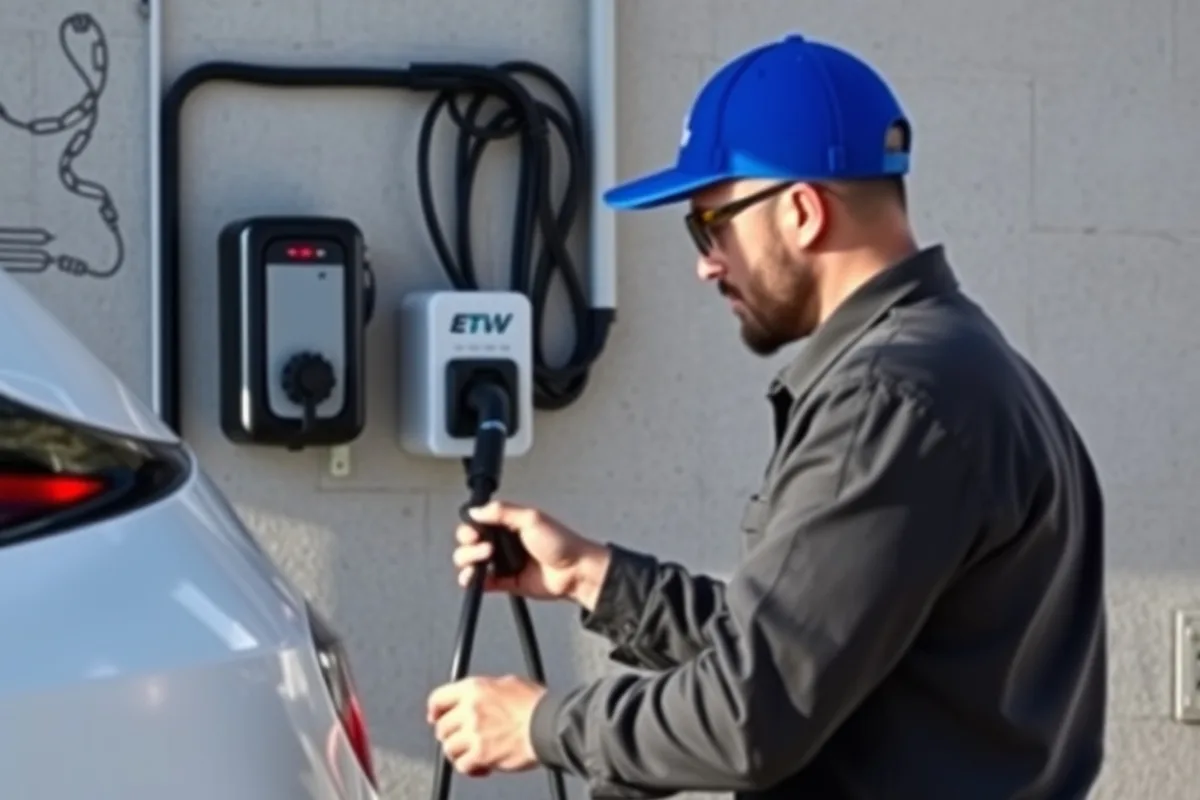
Labor is usually one to four hours. Extra costs appear for conduit, trenching, drywall repair and a disconnect switch if local code requires one. Get an itemized quote rather than a single number.
Does your panel have capacity?
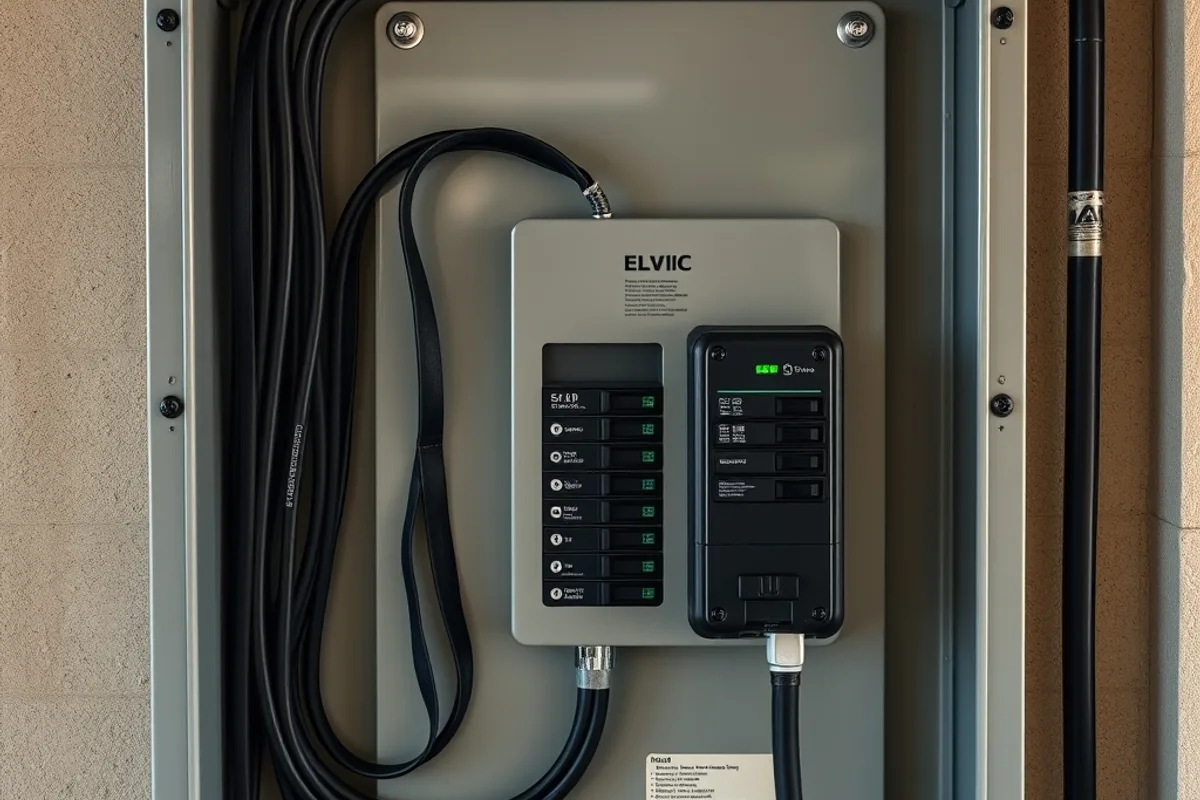
Most modern homes have a 200-amp panel with room for a double-pole breaker. Older homes with 100-amp service may need an upgrade, and some panels are full or manufactured by brands with known safety issues. An electrician will perform a load calculation, which is required by code in many areas.
Panel upgrades cost $1,000 to $2,500 and can delay the project by weeks. Ask about this before buying the charger. Some utilities offer rebates specifically for panel upgrades and smart chargers.
Permits and inspections
Most jurisdictions require a permit for a new 240-volt circuit, and the work must be inspected. A licensed electrician usually handles this. Do not skip it: unpermitted work can complicate insurance claims and home sales.
Permit fees range from $50 to $250. In some areas the process takes a few days; in others, several weeks. Factor the timeline into your purchase plan, especially if you are relying on the charger for a new daily commute.
Choosing a charger
A 40-amp charger adds about 30 miles of range per hour and suits most cars. A 48-amp unit requires a 60-amp circuit and adds little for vehicles that cannot accept the higher current. Buy a unit with a NEMA 14-50 plug or hardwire it, and confirm the connector standard your car uses.
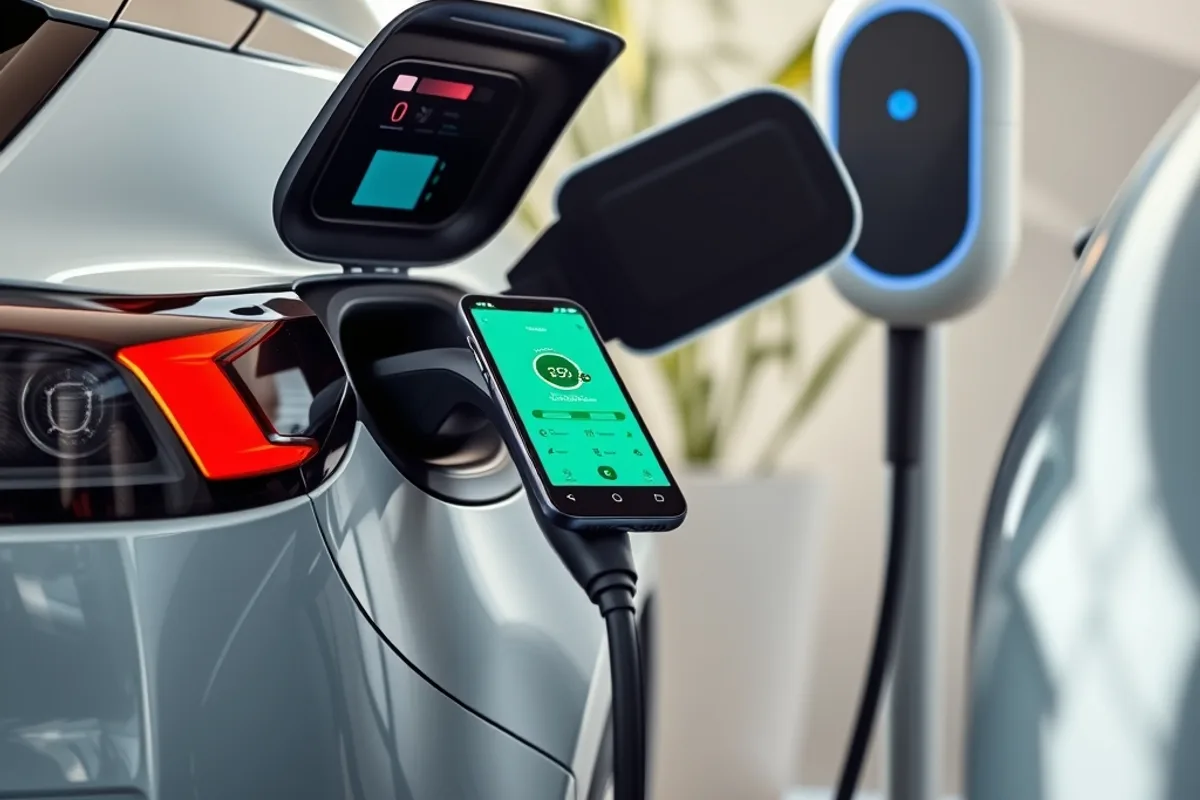
Smart features such as scheduling and load management are useful, but avoid paying for subscriptions. Check whether your utility offers a discounted charger or time-of-use rates that reward overnight charging.
Rebates and tax incentives
Many utilities offer $200 to $1,000 toward installation, and some states add their own programs. Federal incentives change frequently, so verify current rules before assuming a credit. Keep every receipt and the signed permit inspection record.
"The cheapest charger is not always the cheapest installation. A $300 unit that needs a $1,500 panel upgrade is not a bargain."
For the vehicle side of the equation, read our best electric SUVs under $50,000. For general servicing, see the auto maintenance guides.
The bottom line
Budget $1,000 to $1,500 for a typical Level 2 installation, and get three itemized quotes. Confirm panel capacity first, permit the work, and claim any utility rebate. A well-installed home charger is the single biggest quality-of-life upgrade in EV ownership.