How to Drive a Manual Transmission Smoothly: A Beginner's Guide
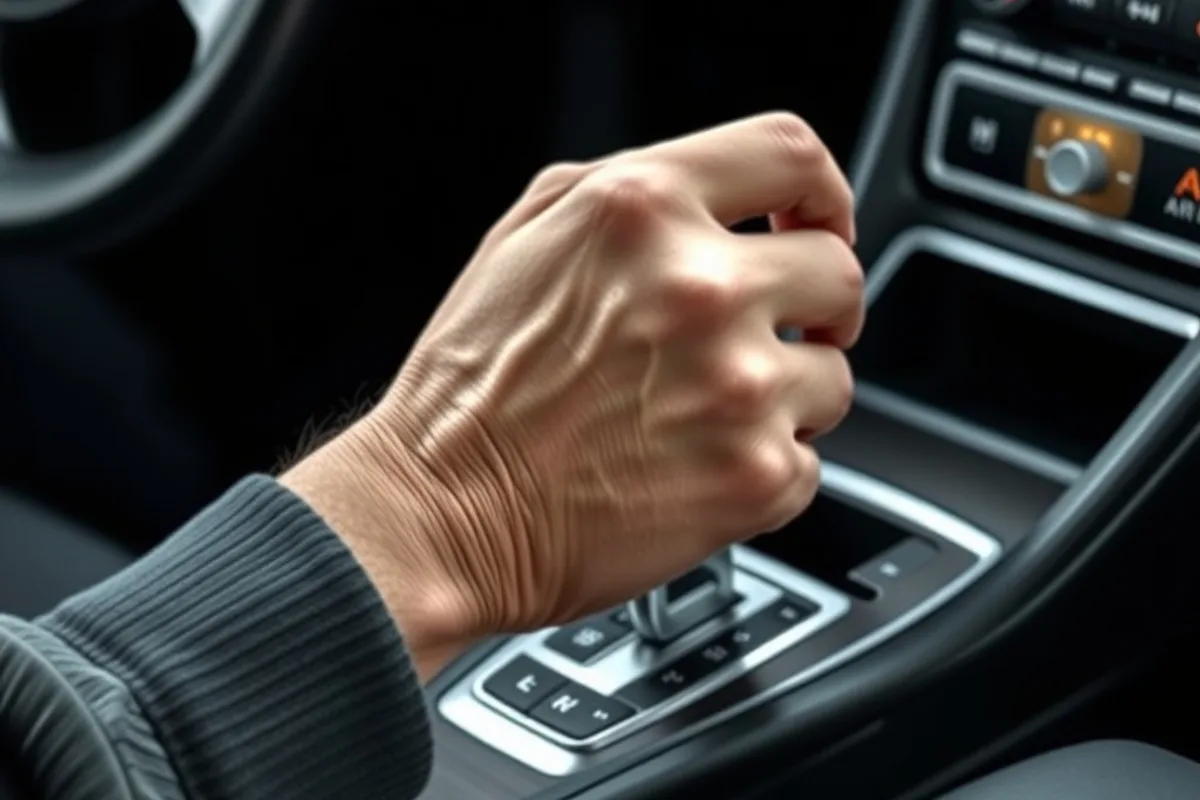
Manual gearboxes are becoming rare, but they are still worth learning. A manual teaches you how a car behaves, makes you a smoother driver and gives you control on hills and in bad weather. The skills are not difficult; they just require a calm, repeatable routine. Here is the process we teach, in the order that builds confidence fastest.
Understand the three pedals
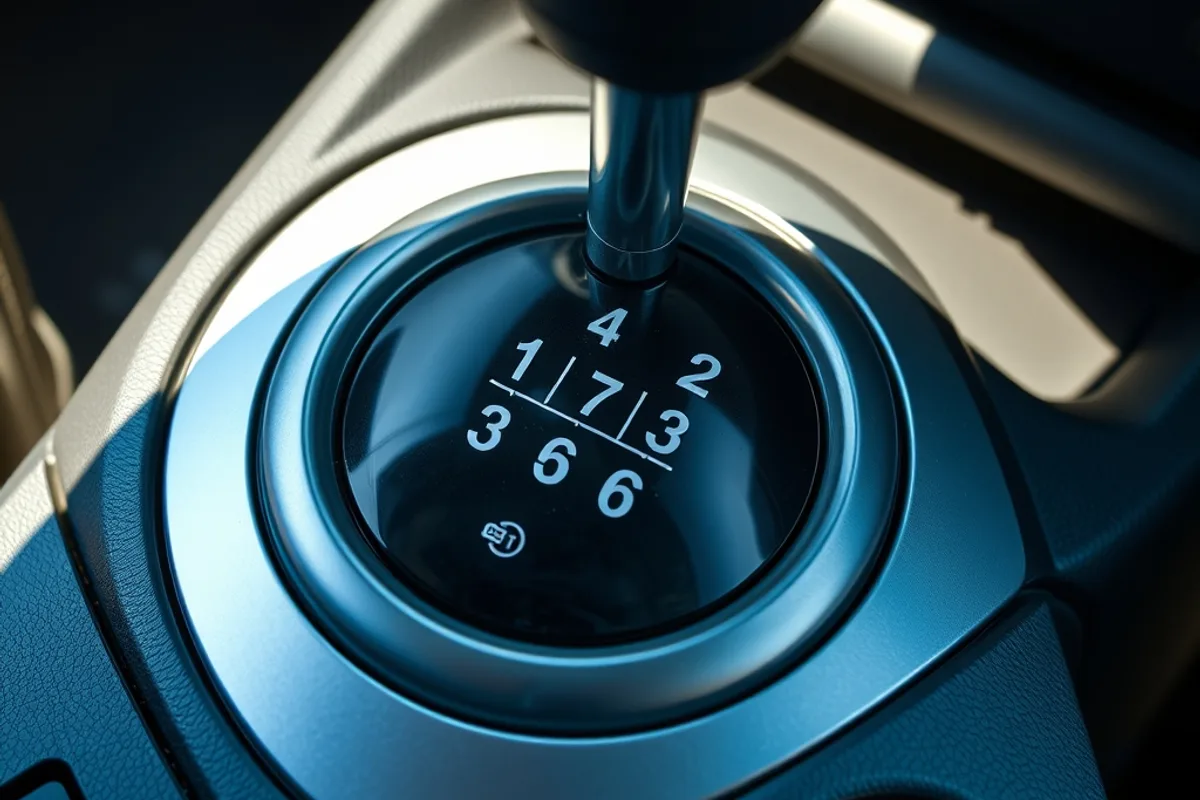
In a manual car, the left pedal is the clutch, the middle is the brake and the right is the accelerator. The clutch connects and disconnects the engine from the gearbox. Pressing it fully allows you to change gear; releasing it reconnects the engine. The gear lever follows an H pattern, usually with a lockout for reverse.
Before driving, sit comfortably with the clutch fully pressed and your knee slightly bent. Adjust the seat and mirrors, and make sure the gear lever is in neutral with the handbrake on.
Find the bite point
With the engine running and the handbrake on, press the clutch fully and select first gear. Slowly release the clutch until you feel the car vibrate slightly and the revs drop. That is the bite point. Press the clutch again and repeat several times until your foot knows the position.
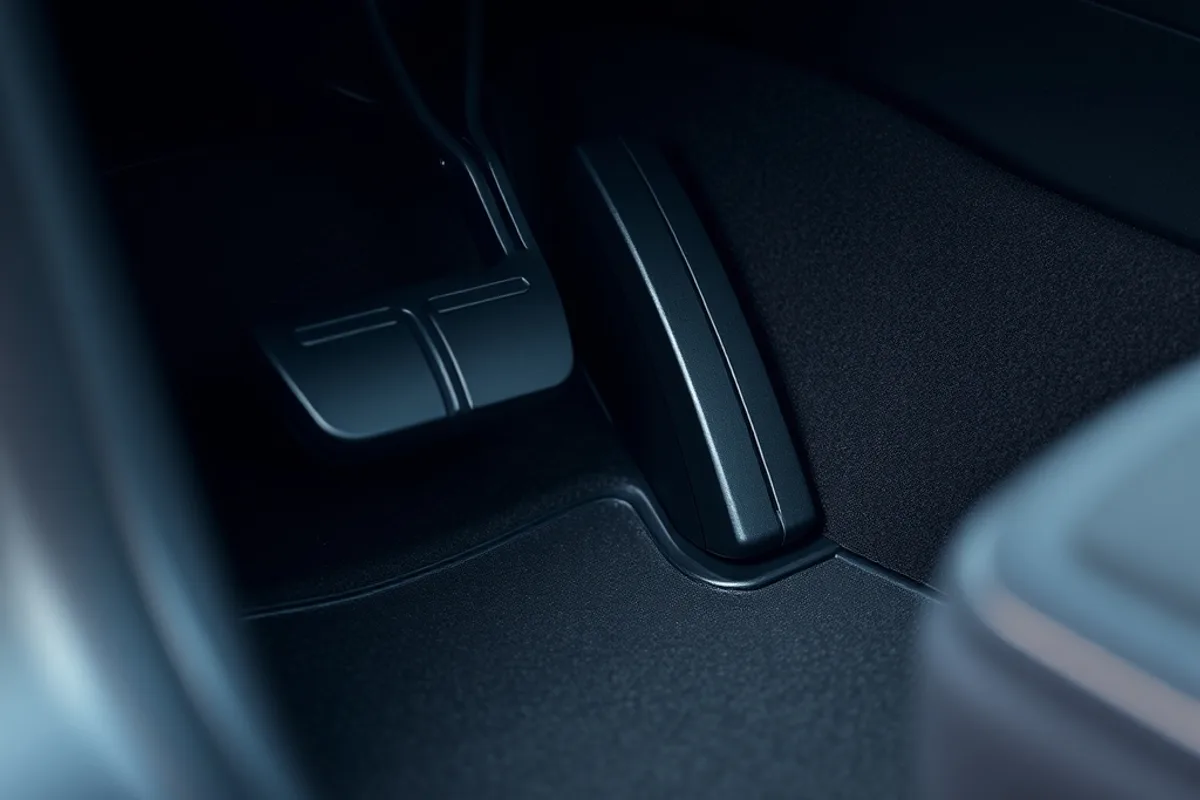
This exercise is the foundation of everything else. Most stalls happen because the clutch is released too fast before the car has begun to move. Learn the bite point on flat ground before you attempt a hill.
Moving off smoothly
Press the clutch, select first, and add a small amount of throttle. Release the clutch slowly to the bite point, hold it briefly, then continue releasing as the car moves. Once moving, fully release the clutch and accelerate gently. Do not ride the clutch with your foot resting on the pedal.
If the car lurches or stalls, press the clutch immediately and start again. Panic makes it worse; a calm restart takes two seconds. Practice in an empty car park until the sequence is automatic.
Changing gear while moving
Press the clutch, move the lever smoothly to the next gear, then release the clutch progressively. For upshifts, release a little faster; for downshifts, add a slight throttle blip to match engine speed. Avoid skipping gears until you are experienced, except when slowing for a stop.
Keep both hands on the wheel except during the shift. Resting your hand on the gear lever wears the selector forks and is a common bad habit.
Braking and stopping
Brake with the middle pedal and press the clutch just before the engine would stall, usually below about 1,000 rpm. Come to a stop, select neutral and keep your foot on the brake. At a long traffic light, use the handbrake and release the foot brake to avoid glare for the driver behind.
Do not coast in neutral. It reduces control and is illegal in many places. Stay in gear until you need to stop.
Hill starts without rolling back
On a gentle hill, use the handbrake. Press the clutch, select first, add throttle and bring the clutch to the bite point. When you feel the car pull against the handbrake, release it smoothly and continue. On a steep hill, give slightly more throttle before releasing the handbrake.
If your car has an electronic parking brake, it may release automatically as you pull away. Check the manual first. Practice on a quiet slope, not in traffic.
Rev matching and smooth downshifts
Rev matching means raising engine speed before engaging a lower gear so the car does not lurch. Press the clutch, blip the throttle, select the gear and release the clutch smoothly. It is not necessary at low speed, but it makes downshifts much smoother and reduces wear.
"Smoothness comes from matching the engine to the road, not from rushing the lever. Slow hands and a gentle foot make a fast driver."
A one-week practice plan
Day one: bite point and moving off in an empty car park. Day two: first to second gear on quiet streets. Day three: braking and stopping smoothly. Day four: hill starts on a gentle slope. Day five: downshifts and rev matching. Day six: a mixed route with traffic. Day seven: a longer drive with a confident passenger.
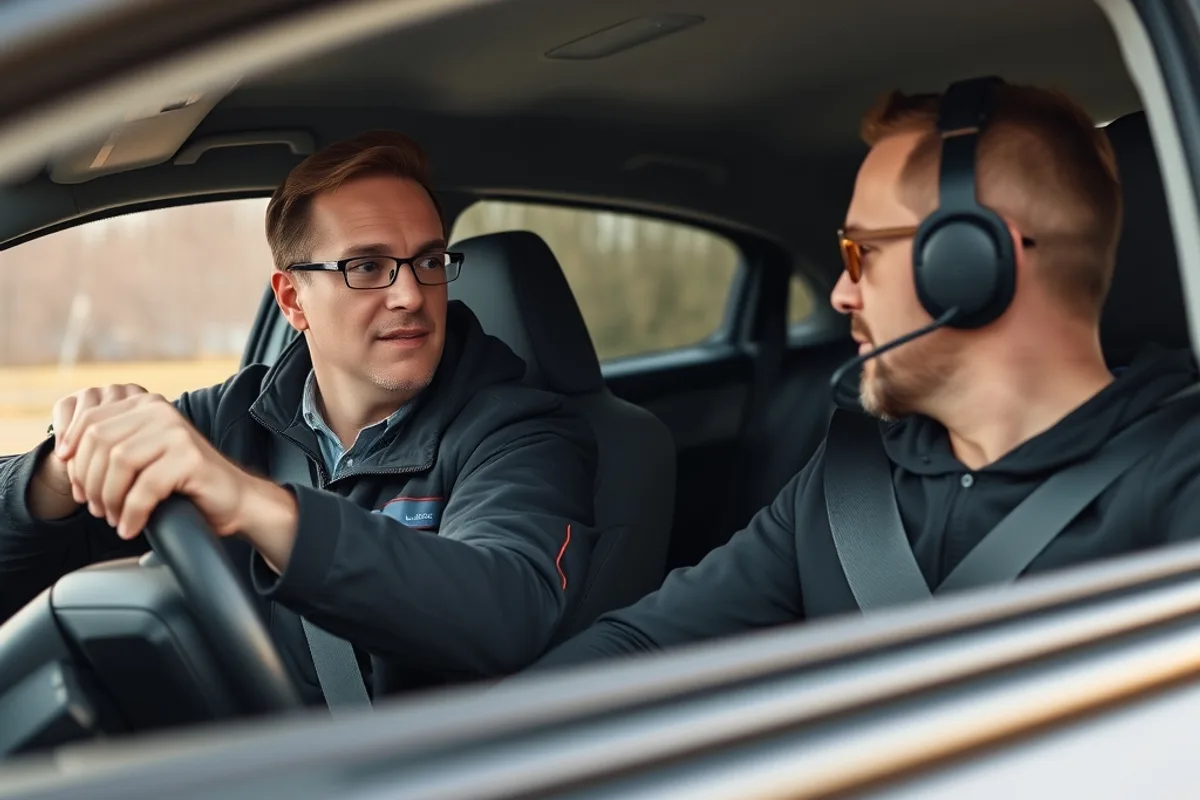
Twenty focused minutes a day is better than a single two-hour session. Fatigue makes clutch control worse, and bad habits set in quickly. If you feel tense, stop and try again tomorrow.
The bottom line
Learn the bite point, release the clutch slowly, add gentle throttle and practise daily. Stalls are normal at the start and mean nothing about your ability. Once the routine is automatic, a manual car becomes more engaging and more controllable than an automatic, especially on hills and in poor weather.