2026 Honda CR-V Review: The Benchmark Gets Harder to Beat
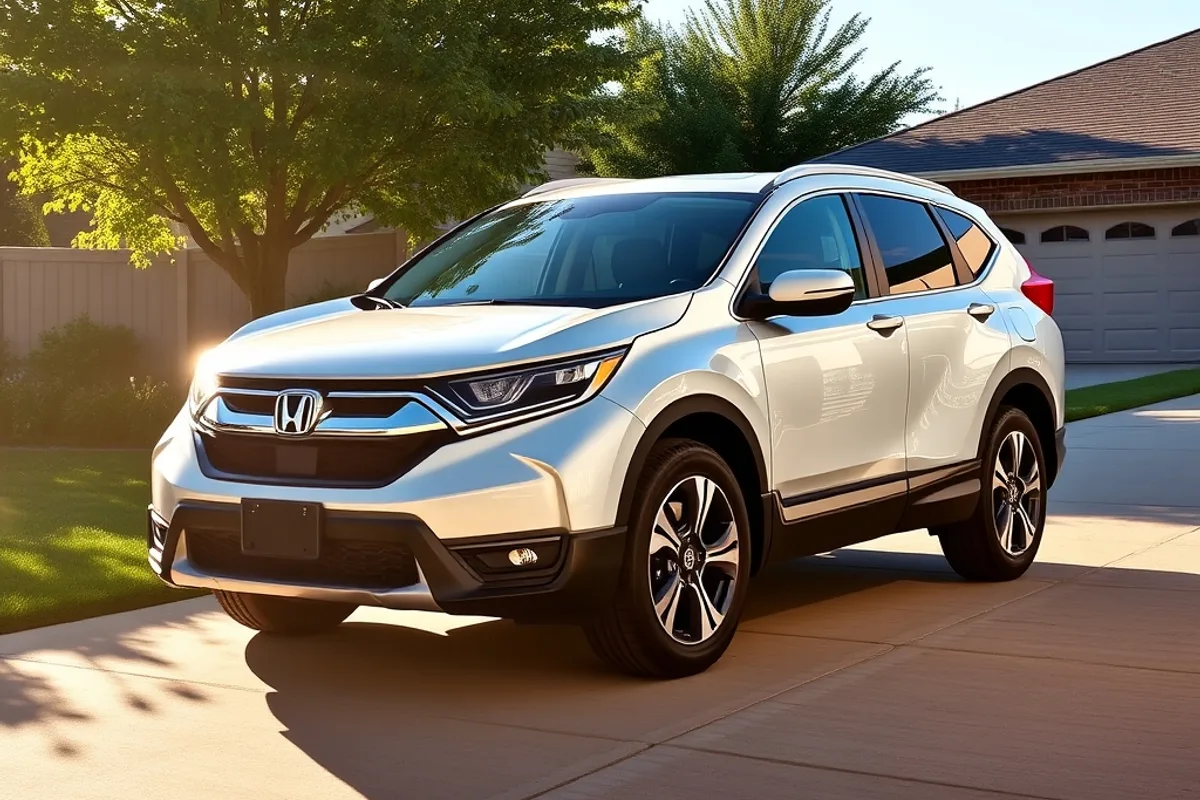
Family SUVs live or die on the boring details: how easy the child seat is to fit, whether the boot swallows a stroller, and how tired you feel after four hours on the motorway. We ran the 2026 Honda CR-V for 1,400 miles across school runs, a camping weekend and a long highway trip to find out whether the class benchmark still deserves its reputation.
The 2026 changes that matter
Honda's updates are subtle: revised front styling, a quieter cabin, an upgraded infotainment system and additional standard safety equipment. The hybrid now accounts for most sales, and it is the version we tested. The biggest practical improvement is sound insulation, which turns the CR-V from merely acceptable on the highway into one of the quieter cars in its class.
Trim structure remains sensible. The EX-L we drove adds leather, a power tailgate, a larger screen and a premium audio system without drifting into luxury pricing. That balance is why the CR-V keeps winning family comparisons.
Real fuel economy
Our 120-mile highway loop returned 40.1 mpg in the hybrid, slightly better than its combined rating. Mixed driving over the full test averaged 38.9 mpg. That is not Prius territory, but for a family SUV with all-wheel drive it is excellent, and it beats most turbocharged rivals by 4 to 6 mpg in real conditions.
Cold-start city driving is where the hybrid shines, running on electricity for long stretches in traffic. On a 30-mile suburban loop we saw 44 mpg. If most of your driving is local, the fuel savings will be substantial. If you tow, the CR-V is not the right tool; the hybrid is rated for only 1,000 pounds.
Ride and handling
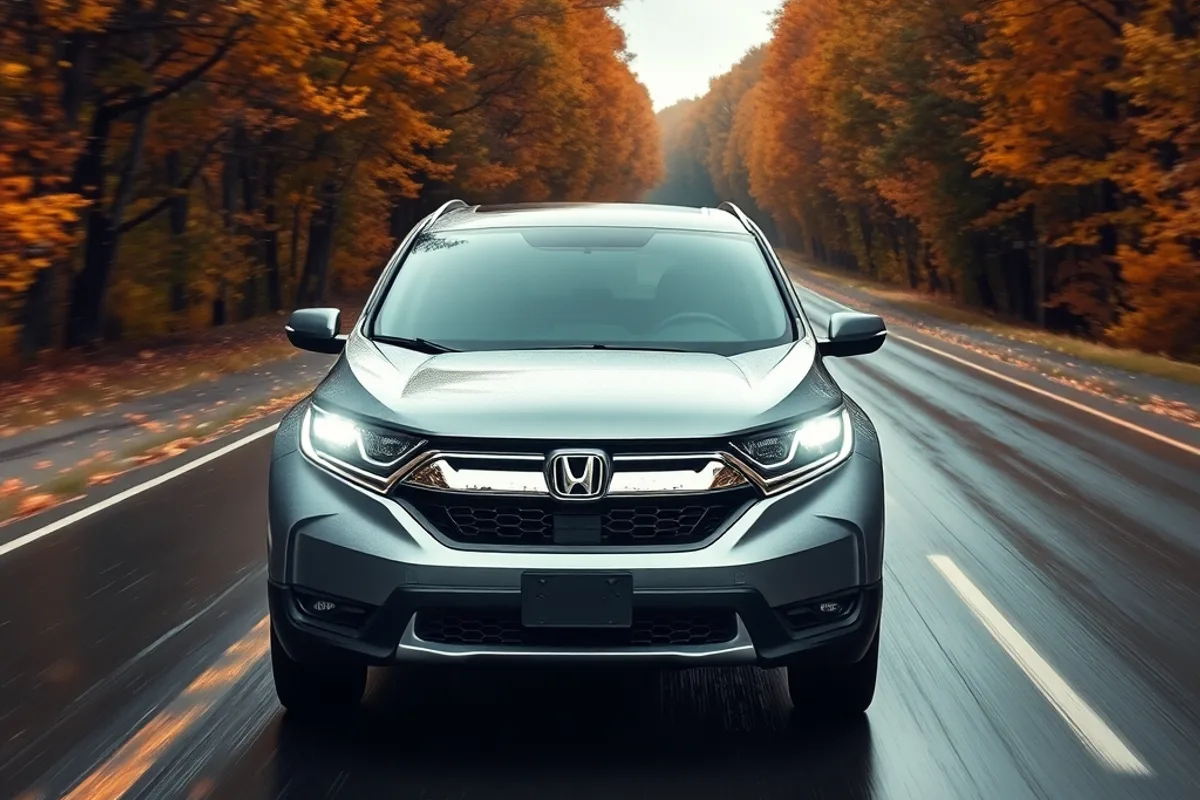
The CR-V prioritises comfort and does it well. Bumps are absorbed without floatiness, and the body stays composed over crests. Steering is accurate but numb, and body roll appears if you push hard, which no family buyer will. The payoff is a calm, relaxed drive that passengers appreciate.
Wind and road noise are low, and the hybrid system transitions between electric and petrol power smoothly. Under hard acceleration the engine is vocal, but it settles quickly. Around town, the tight turning circle and light steering make car parks easy.
Cabin space and child seats
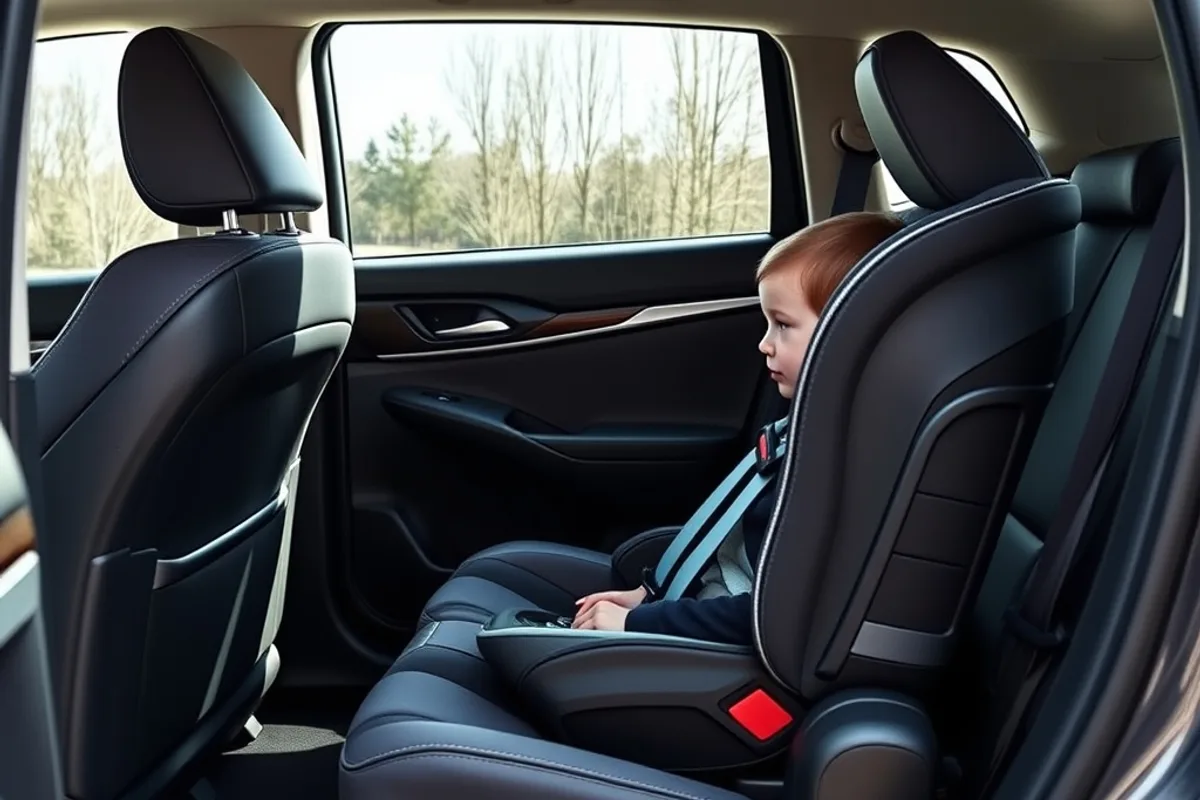
The rear doors open wide and the seat height is just right for lifting children in and out. Two child seats fit side by side with room for an adult between them, and the anchor points are easy to find. Rear legroom is generous, and the floor is almost flat.
Up front, the seats are comfortable over long distances and the driving position is upright with good visibility. Storage is excellent: a large centre bin, big door pockets and a shelf that holds a tablet. The materials feel durable rather than plush, which is the right call for a family car.
Cargo and practicality
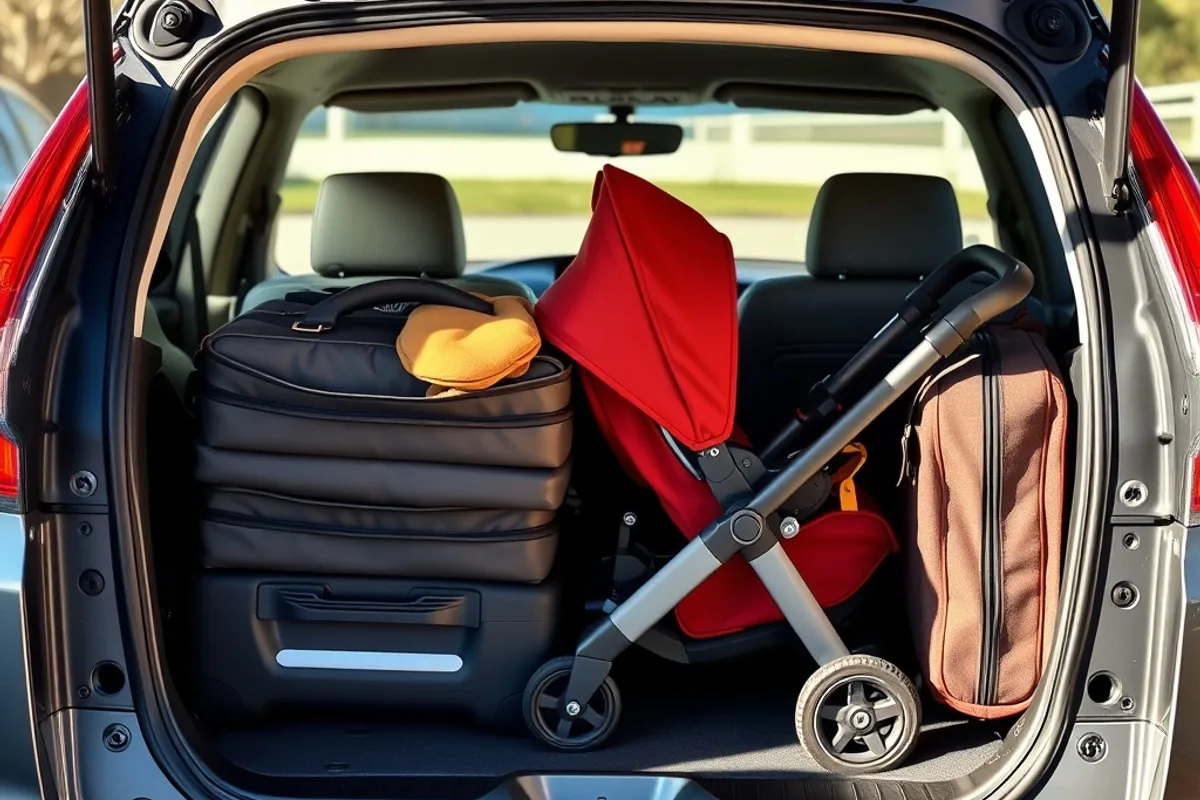
Behind the second row there is 39.3 cubic feet, and our standard test loaded two large suitcases, a stroller and a week of groceries without folding anything. The power tailgate is useful when your hands are full, and the load floor is low enough to lift heavy items without strain.
Fold the rear seats and the CR-V becomes genuinely useful for flat-pack furniture and garden centre trips. The seats fold almost flat with one motion. A spare wheel is included on most trims, which is increasingly rare and worth having.
Technology and safety
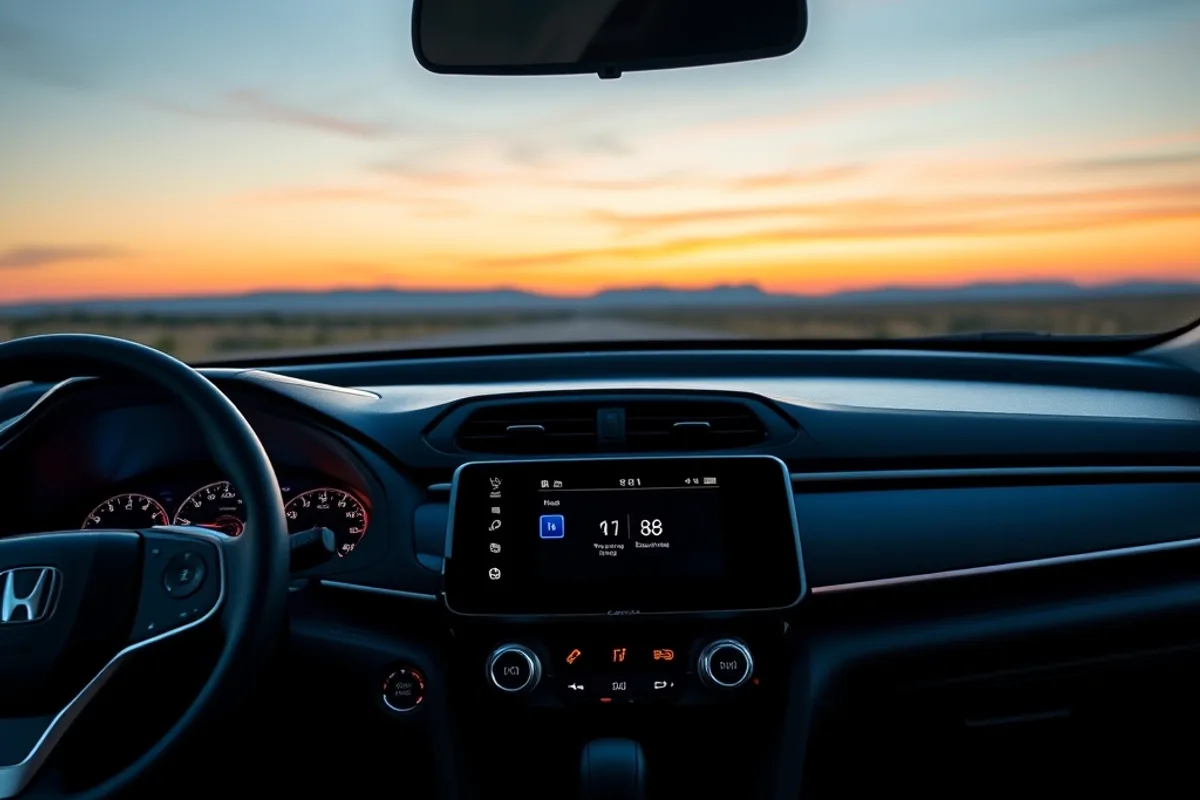
The new infotainment screen is quicker than the old unit and includes wireless smartphone mirroring. It still relies on touch controls for climate functions, which is less convenient than physical knobs, but the system is logical once learned. The premium audio is decent, not spectacular.
Honda's safety suite is comprehensive and well tuned. Adaptive cruise maintains a natural gap, lane keeping is gentle, and automatic emergency braking operates smoothly. Blind-spot monitoring is standard on our trim. Cross-check official results at the NHTSA ratings site.
Pricing and value
At $37,650 as tested, the CR-V hybrid EX-L undercuts many rivals with similar equipment. Dealer quotes varied by up to $1,800, so shopping around genuinely pays. Residual values are strong, and insurance came in 4 percent below the segment average in our sample.
"The CR-V is not the cheapest family SUV, but it is one of the few that feels engineered around family life rather than marketing."
If you want a sedan instead, read our 2026 Toyota Camry review. For electric alternatives, see the best electric SUVs under $50,000.
Where it falls short
The hybrid's towing limit is low, the touchscreen climate controls frustrate, and the base engine feels strained when fully loaded. Off-road ability is limited to mild trails. None of these matter to most families, but they matter to some.
The bottom line
The 2026 CR-V remains the family SUV to beat. It is quiet, economical, spacious and easy to live with, and it makes the daily routine measurably easier. Buy the hybrid EX-L, negotiate hard, and you will have a car that still feels right five years from now.