2026 Toyota Camry Review: Still the Sensible Hybrid Sedan
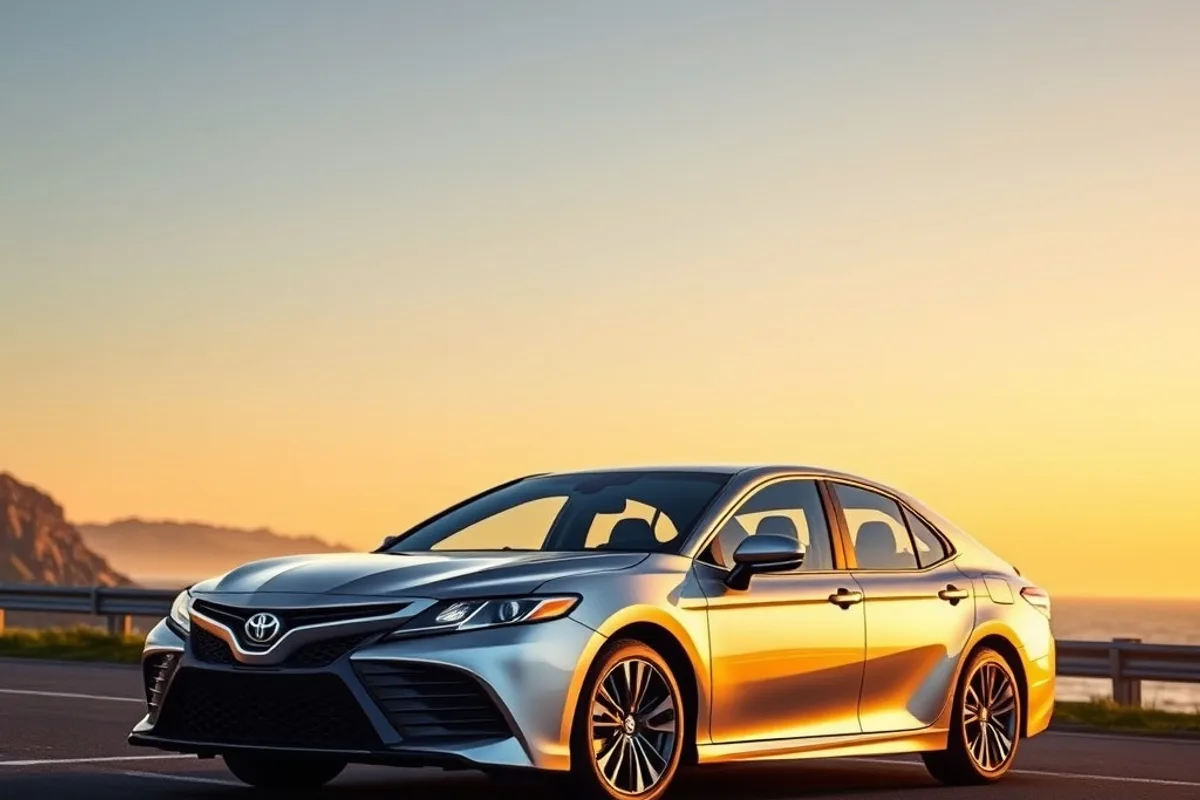
The sedan was supposed to be dead, yet the 2026 Toyota Camry arrives as a hybrid-only model and immediately becomes one of the easiest cars to recommend. We covered 1,200 miles in a mid-level trim over two weeks, including a 400-mile highway run, a week of city commuting and one very wet Sunday. The result is a car that does not thrill, but almost never puts a foot wrong.
What is new for 2026
Every Camry now uses Toyota's fifth-generation hybrid system, and the old V6 is gone. The redesign brought a lower roofline, a stiffer body, larger screens and a redesigned suspension. More importantly, the hybrid battery moved under the rear seat, so the trunk is no longer compromised by battery packaging. All-wheel drive remains available on two trims for buyers in snowy states.
The range is refreshingly simple: LE, SE, XLE and XSE, with a single hybrid powertrain. That means the cheapest car is mechanically identical to the most expensive one, and the difference is equipment rather than capability.
Real fuel economy on our loop
Our highway loop runs 120 miles at 70 mph with climate set to 72 degrees and two adults aboard. The Camry returned 46.8 mpg, which is excellent for a mid-size sedan and close to its combined rating. In city traffic it did even better, hovering around 55 mpg because the electric motor handles low-speed work.
Over the full 1,200 miles we averaged 51.4 mpg. At $3.40 a gallon that works out to roughly $79 of fuel for the entire test. A comparable non-hybrid sedan would have burned about $130. The savings are not imaginary; they are the difference between a car that costs $1,100 a year to fuel and one that costs $1,800.
How it drives
The Camry is not fast, but it feels stronger than its 225 horsepower suggests because the electric motor fills the low-speed gap. Acceleration to 60 mph took 7.4 seconds in our testing, and overtaking on a two-lane road is safe rather than dramatic. The continuously variable transmission drones under hard throttle, which is the one dynamic flaw we could not ignore.
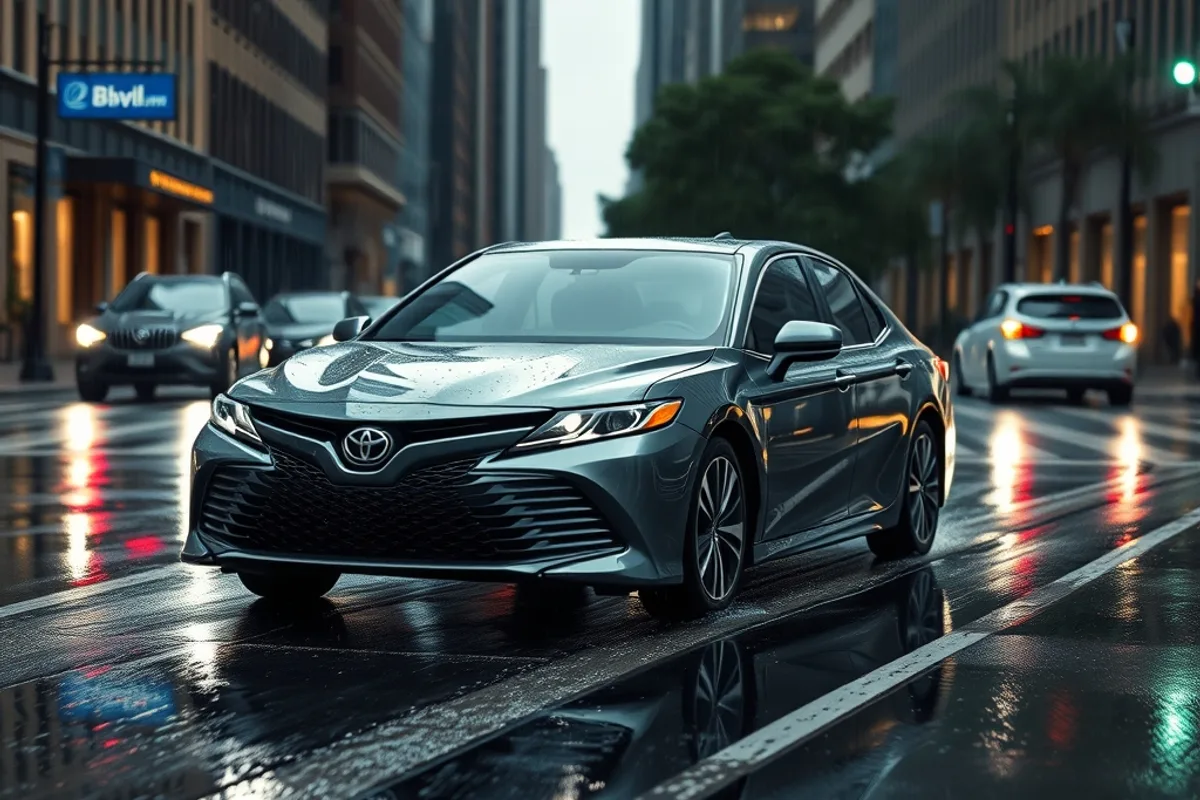
Ride quality is the bigger story. The stiffer body and revised dampers give it a settled, almost European feel over broken pavement, and highway noise is low enough for conversation at normal volume. Steering is light and accurate, with no real feedback, which suits the car's purpose. This is a commuter, not a sports sedan, and it is very good at being a commuter.
Cabin and comfort
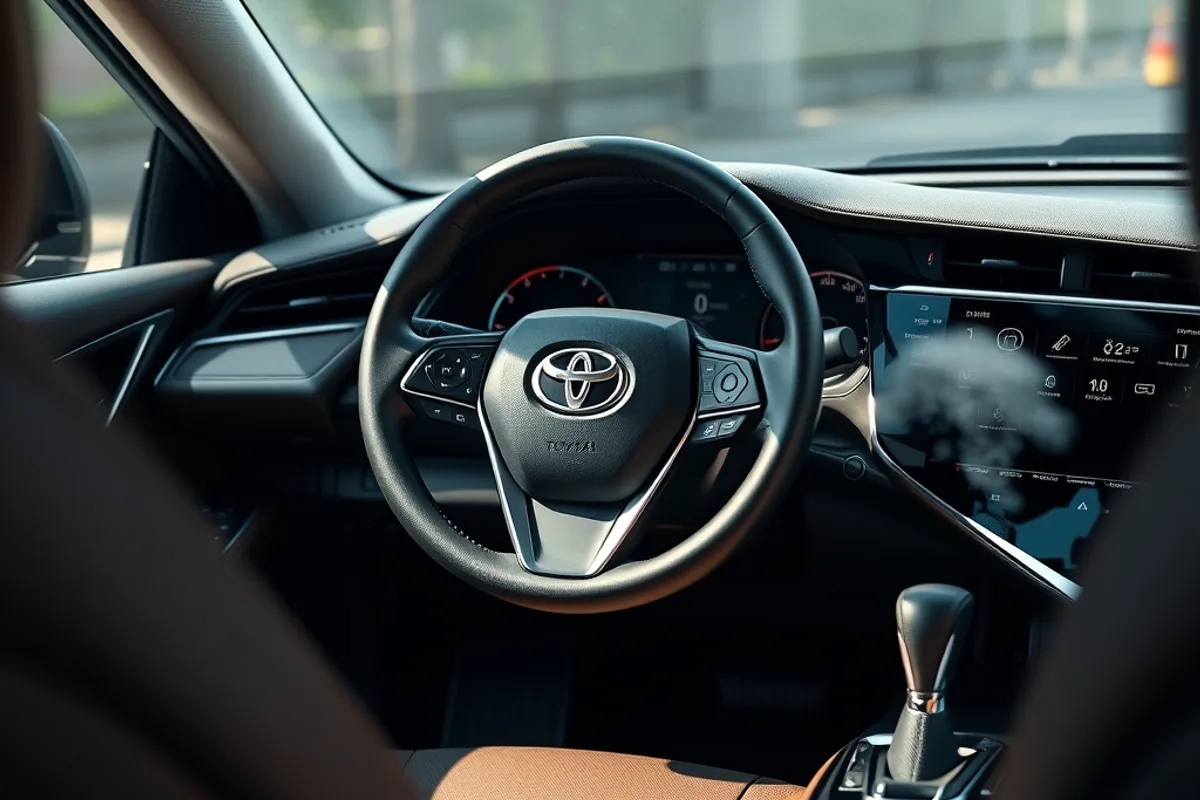
The front seats are supportive over long distances, with enough adjustment for drivers from five feet to six foot four. Visibility is good in every direction, and the controls are a sensible mix of physical knobs and screen menus. Toyota kept a volume knob and real climate buttons, which is increasingly rare and genuinely welcome.
The rear seat is the surprise. Legroom is generous, the floor is nearly flat, and two adults fit comfortably for a long trip. Three is possible for shorter journeys. The door openings are wide, which matters when fitting child seats, and the rear doors open almost 90 degrees.
Cargo and family practicality
The trunk holds 15.1 cubic feet, and our standard luggage test swallowed two large suitcases plus a carry-on with room to spare. The rear seats fold in a 60/40 split, though the opening is narrower than in an SUV. A stroller fits, but a large one requires the seats folded.
Interior storage is well judged: a deep centre bin, large door pockets and a shelf ahead of the passenger that holds a phone and wallet. The wireless charging pad is useful but slow, and it cooks a phone on long drives. Cup holders are generous and placed where they should be.
Technology and safety
The standard 8-inch screen is sharp and quick, and the optional 12.3-inch unit looks premium without becoming a distraction. Wireless Apple CarPlay and Android Auto both worked reliably in our test, with one dropped connection over two weeks. The driver-assistance suite includes adaptive cruise, lane centring, automatic emergency braking and blind-spot monitoring.
On the highway, adaptive cruise held a sensible gap and did not brake late. Lane centring is gentle rather than aggressive, which we prefer. The systems are easy to switch off, and none of them nagged annoyingly. Official crash-test results are strong, and you can verify them at the NHTSA ratings database.
Pricing and value
Our LE test car stickered at $34,200 including destination, and dealer quotes in three states came in within $400 of that figure. The Camry is not the cheapest mid-size sedan, but standard hybrid power, strong residuals and low running costs make it the value leader over five years. Insurance quotes were 6 percent below a comparable turbocharged rivals in our sample.
"The Camry does not ask you to change your habits. It simply costs less to run than almost anything else in its class."
Compare it with the 2026 Honda CR-V if you need more cargo height, or browse our electric vehicle guides if home charging is available and fuel costs matter more than purchase price.
Who should skip it
Buyers who want genuine driving pleasure should look elsewhere; the steering and CVT remove most of the fun. Anyone regularly carrying five adults will prefer a three-row SUV. And if you live where snow is measured in feet, budget for the all-wheel-drive trim rather than the front-drive model we tested.

The bottom line
The 2026 Camry is the sensible sedan done properly: economical, comfortable, quiet and easy to live with. It is not exciting, but it is honest, and after 1,200 miles we would happily recommend it to anyone who wants a car to simply work. Buy the LE or SE, skip the expensive wheels, and keep the money for fuel you will barely need.