Brake Pad Replacement: Real Costs, Warning Signs and DIY Rules
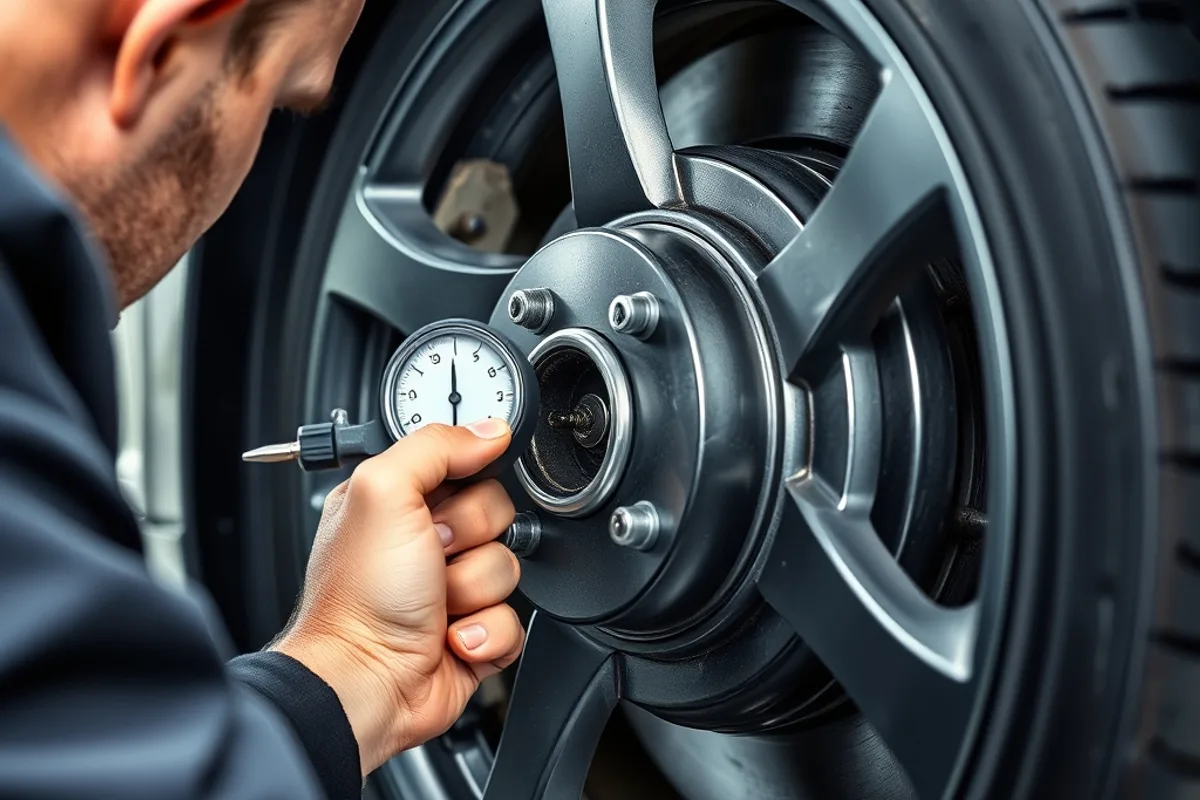
Brakes are the one maintenance item where you should never gamble, but the quote you receive is often inflated. Replacing front pads on a typical family car costs $150 to $350 at an independent shop, and rear pads $150 to $300. Dealers charge more, and chains sometimes invent work. Understanding the job lets you approve what is needed and refuse what is not.
What you are paying for
A pad replacement involves removing the wheel, unbolting the caliper, compressing the piston, fitting new pads and checking the rotor, hardware and brake fluid. Quality pads cost $40 to $100 per axle; labor is usually one to two hours. The rest is markup, disposal fees and shop overhead.
Rotors are the big variable. Many shops resurface or replace them as standard practice, which is sensible when they are scored, below minimum thickness or warped. It is not automatically required with every pad change. Ask for measurements.
Warning signs that are real
Squealing that appears when the pads are low, grinding metal-on-metal, a soft or long pedal, vibration through the wheel under braking, and the car pulling to one side all warrant immediate inspection. A dashboard brake warning light should never be ignored.
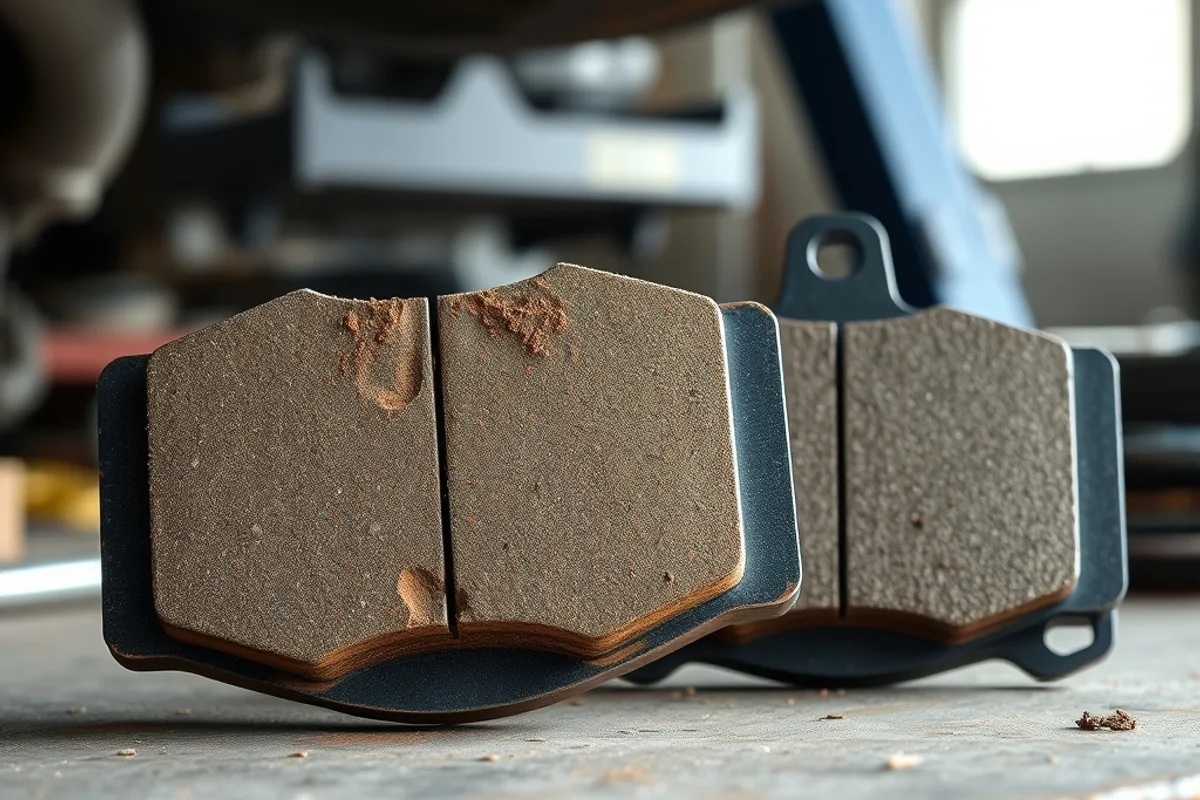
A single squeak on a cold morning can be surface rust and may disappear after a few stops. That is not an emergency. Persistent noise, especially grinding, is.
How to check pad thickness yourself
Look through the spokes of each wheel at the caliper. The pad backing plate is metal; the friction material is the darker layer pressed against the rotor. New pads typically have 10 to 12 mm of material. Below 3 mm, plan replacement. Below 2 mm, do it now.
Use a torch and take a photograph with your phone so you can compare sides. Inner pads wear faster on some cars, so check both. If you cannot see clearly, ask a shop for a free brake inspection and request the measurements in writing.
When rotors need replacing
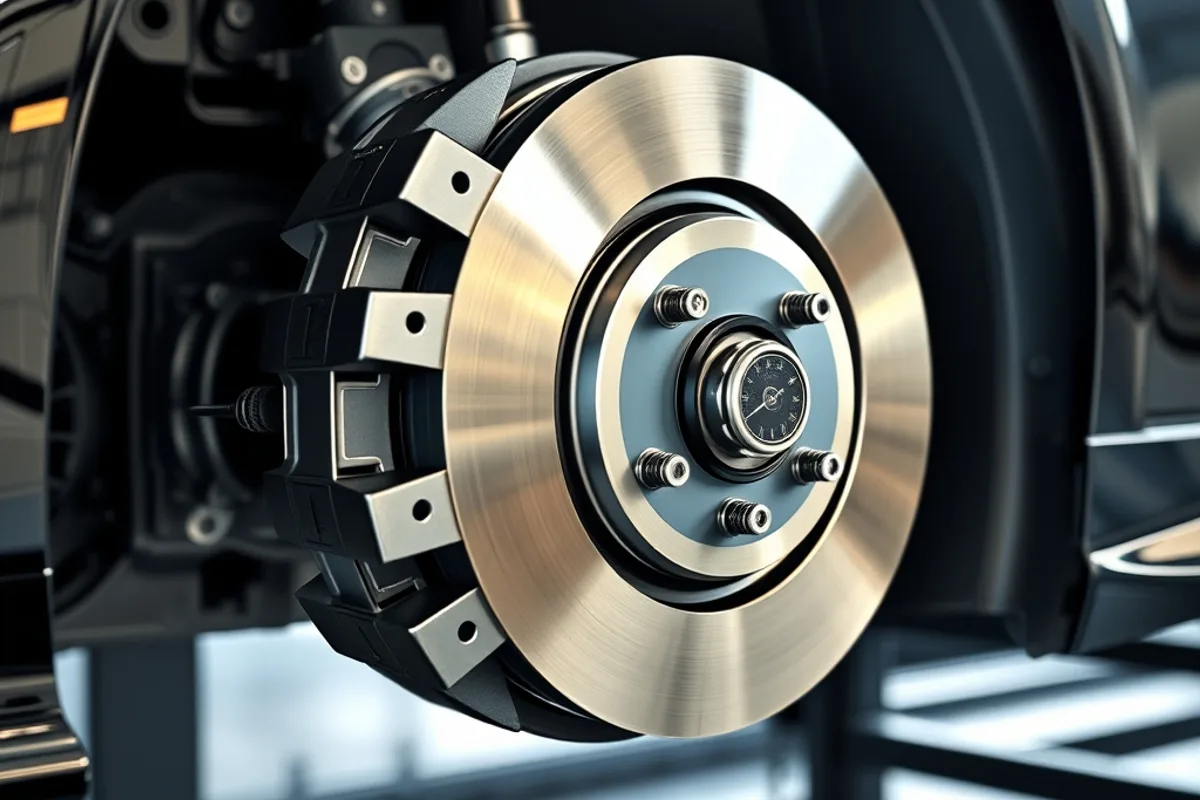
Rotors have a minimum thickness stamped on the hat. A micrometer reading below that number means replacement, not resurfacing. Deep grooves, heavy rust on the braking surface, cracks or blue heat spots are also grounds for replacement.
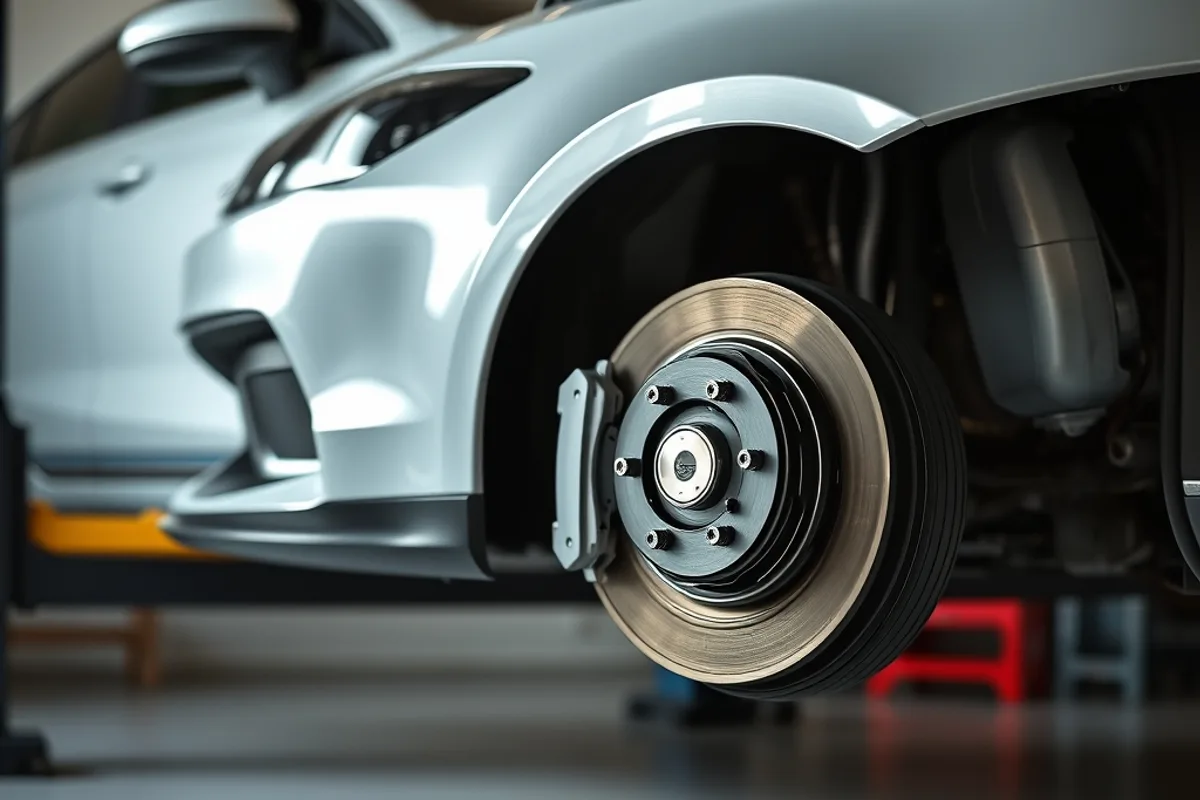
On many modern cars, rotors are inexpensive and replacing them with the pads is the most reliable path. On performance cars, rotors can cost several hundred dollars each, so measurement matters even more.
DIY rules and risks
Pad replacement is a manageable DIY job for an experienced home mechanic with proper jack stands, a torque wrench and brake grease. It is not a first repair. Mistakes can cause brake failure, and used brake fluid is hazardous.
If you do it yourself, never let the caliper hang by the hose, clean and lubricate the slide pins, torque every bolt to specification, and pump the pedal before driving. Bed the pads in gently over the first 200 miles.
Avoiding the upsell
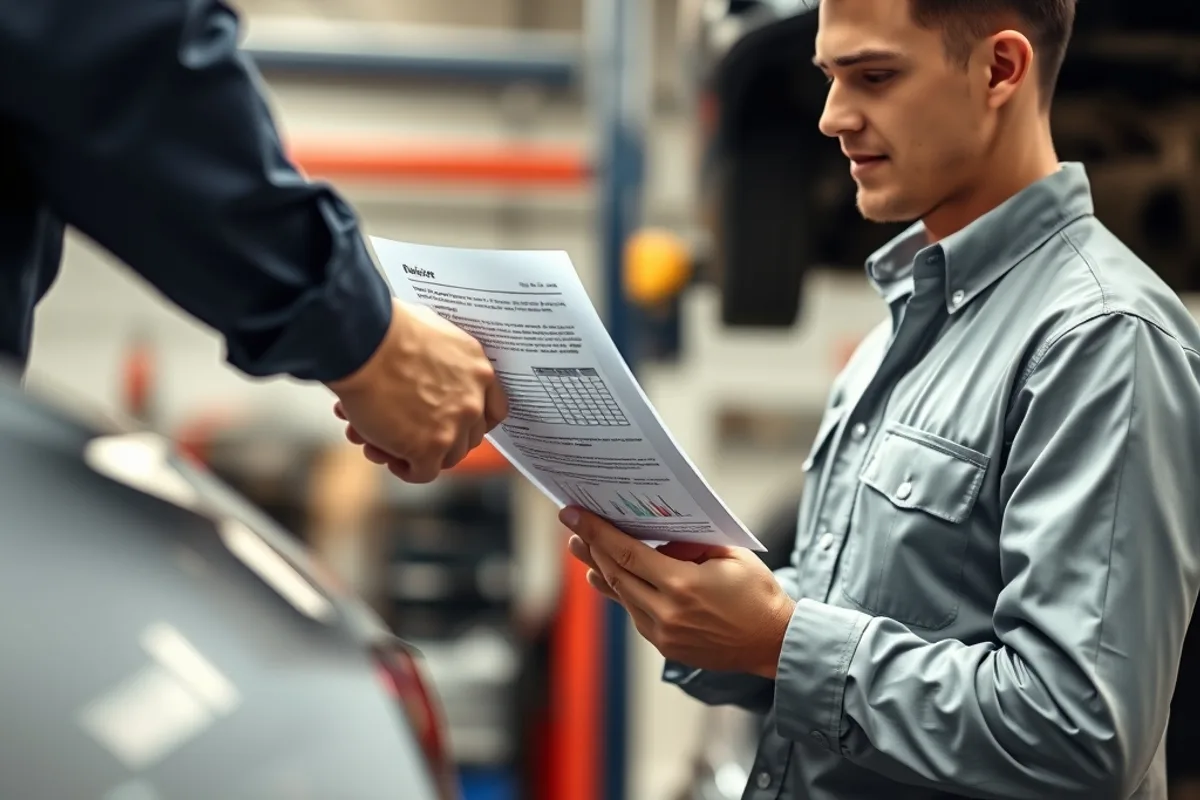
Ask for pad thickness readings, rotor measurements and a written estimate before work begins. Decline brake fluid flushes unless the fluid is contaminated or the service is due. A brake fluid exchange every three years is reasonable; every visit is not.
"Brakes are safety equipment, but a brake quote is still a sales document. Measurements, not fear, should decide what you approve."
For related maintenance, read our cabin air filter guide, and find more schedules in the auto maintenance collection.
The bottom line
Budget $200 to $350 per axle for pads at an independent shop, and expect rotors to add $150 to $300 when they are worn. Replace pads at 3 mm, fix grinding immediately, and always ask for measurements. Good brakes are not optional; overpaying for them is.