Cabin Air Filter: The Real Replacement Interval and DIY Check
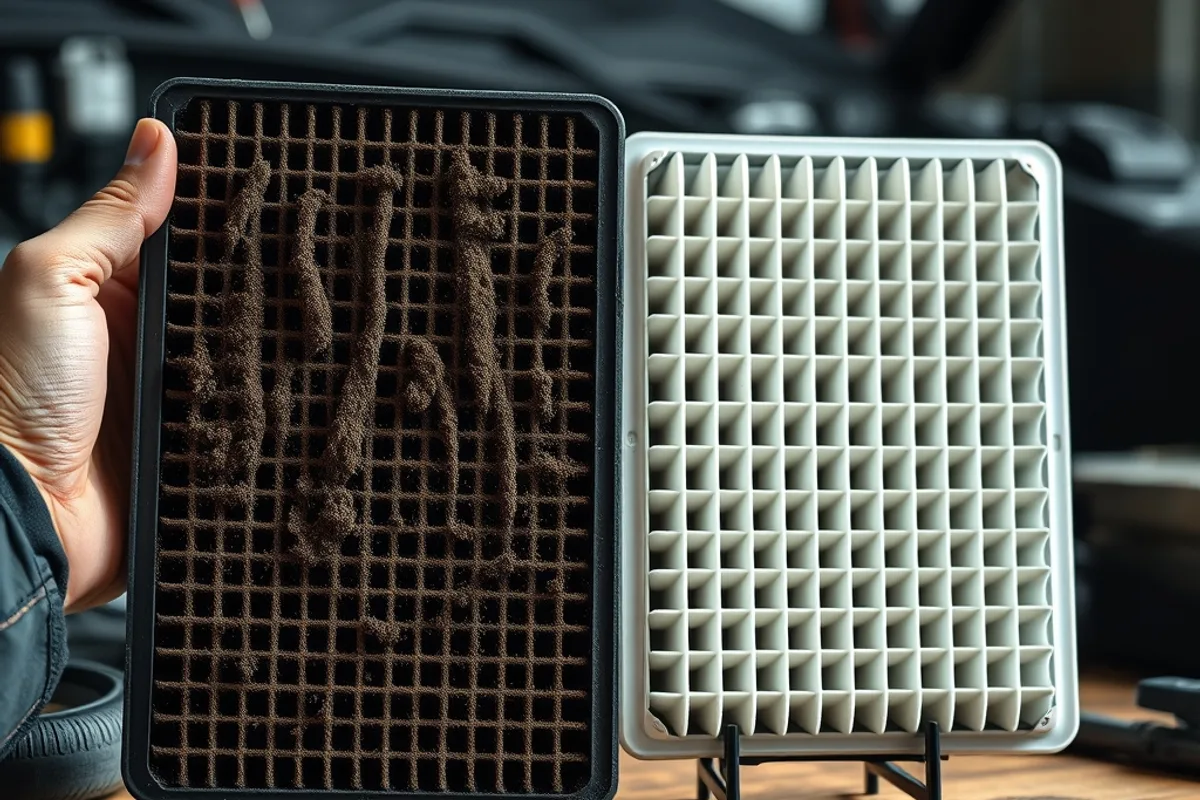
The cabin air filter is the cheapest maintenance item most drivers overpay for. It cleans the air you breathe inside the car, trapping dust, pollen, soot and leaves. Dealers often recommend replacing it every 15,000 miles, and quick-lube shops push it at every visit. The truth is simpler: most cars need one every 20,000 to 30,000 miles, some need it annually, and the job takes about ten minutes.
What the cabin filter actually does
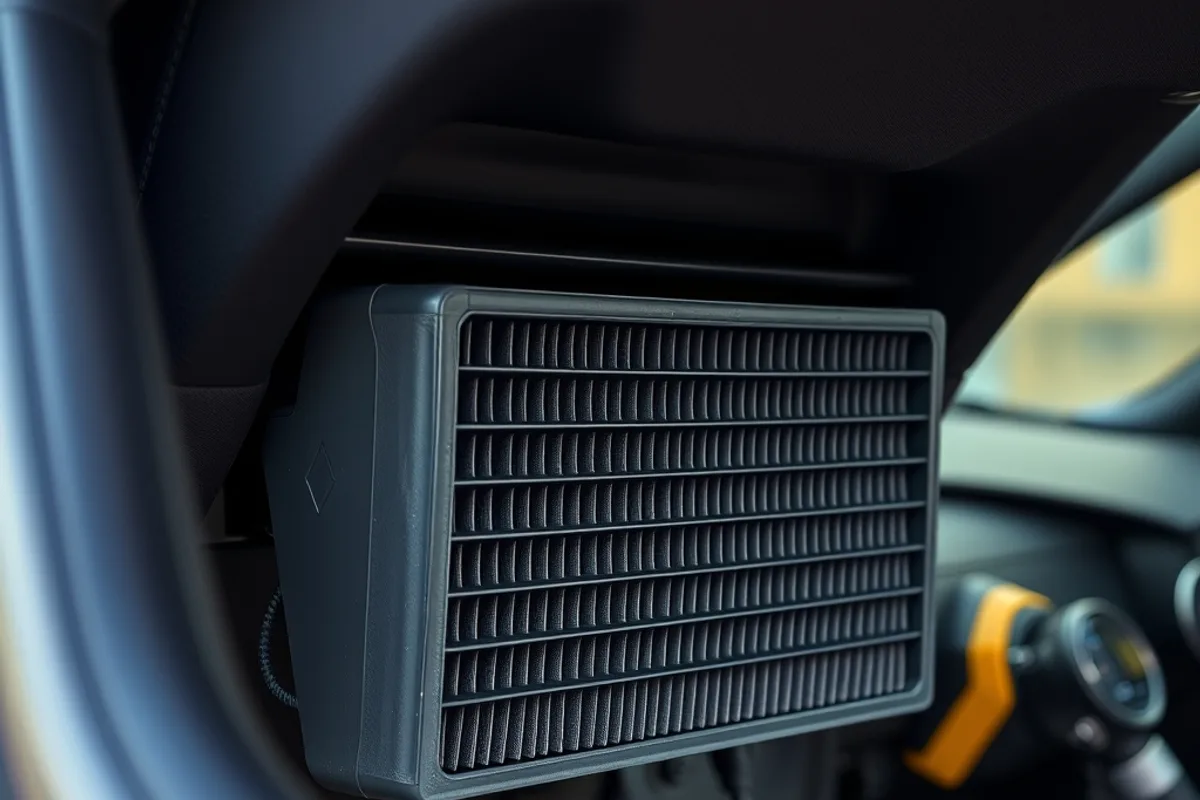
The filter sits in the heating, ventilation and air-conditioning system, usually behind the glovebox or under the bonnet near the windscreen. It cleans air before it reaches the cabin, protecting passengers and keeping dust off the evaporator core. A clogged filter reduces airflow, makes the air conditioning work harder, and can cause musty smells.
It does not filter engine intake air; that is a separate engine air filter. Confusing the two is common, and shops sometimes charge for both when only one needs attention.
The real replacement interval
Follow the owner's manual first. Most specify 20,000 to 30,000 miles under normal conditions and 15,000 miles under severe service. Severe means dusty roads, heavy pollen, city traffic or frequent short trips. If you live in a city or near farmland, inspect the filter every 10,000 miles and replace it when it looks grey and packed with debris.
Do not replace it purely by mileage if the filter still looks clean. Conversely, do not stretch it to 40,000 miles because the calendar says so. The filter is inexpensive, but unnecessary replacement is still waste. Learn what your car's filter looks like and check it yourself.
How to check and replace it yourself
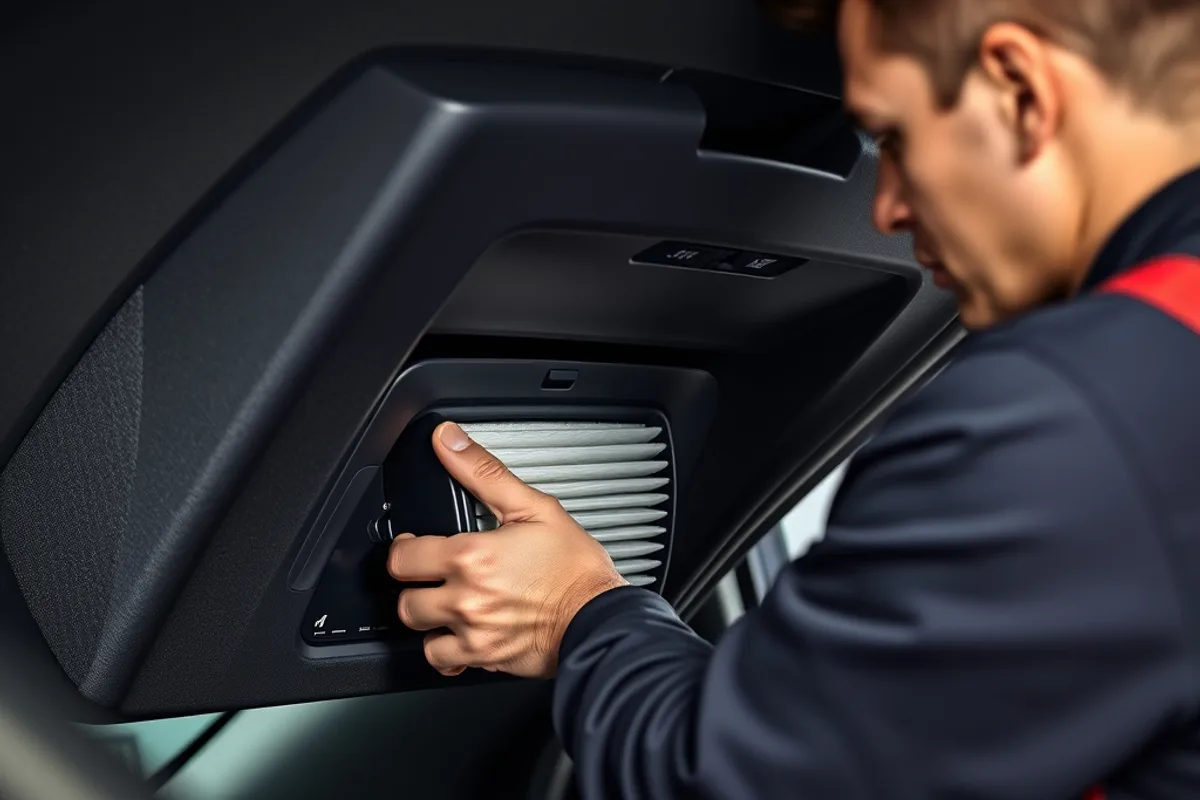
Open the glovebox and look for a stop tab on each side. Squeeze the sides inward so the box drops further, then locate the rectangular filter cover. Some cars use a simple clip, others two screws. Remove the cover, slide the old filter out and note its orientation.
Vacuum the housing, then fit the new filter with the airflow arrow pointing toward the cabin, usually downward. Reassemble in reverse order. On models where the filter is under the bonnet, remove the plastic scuttle panel instead. Your manual will show the exact procedure.
When to pay a shop instead
Some vehicles bury the filter behind the centre console or require dashboard trim removal. In those cases, paying $60 to $120 is reasonable. The problem is being charged that amount for a filter that took five minutes. Ask for the old filter back; a legitimate shop will always provide it.
If the invoice lists a cabin filter you never approved, dispute it. Upsells at quick-lube chains are a known pressure point, and you are entitled to decline any service not required by the manufacturer's schedule.
Signs the filter is overdue
Weak airflow from the vents, a musty smell when the air conditioning starts, fogging windows that clear slowly, and visible debris around the vents all point to a clogged filter. In extreme cases, leaves can block the housing and cause water leaks into the cabin.
If airflow is weak but the filter looks clean, check the blower motor and the recirculation door. A filter change will not fix a failed blower resistor.
Choosing the right filter
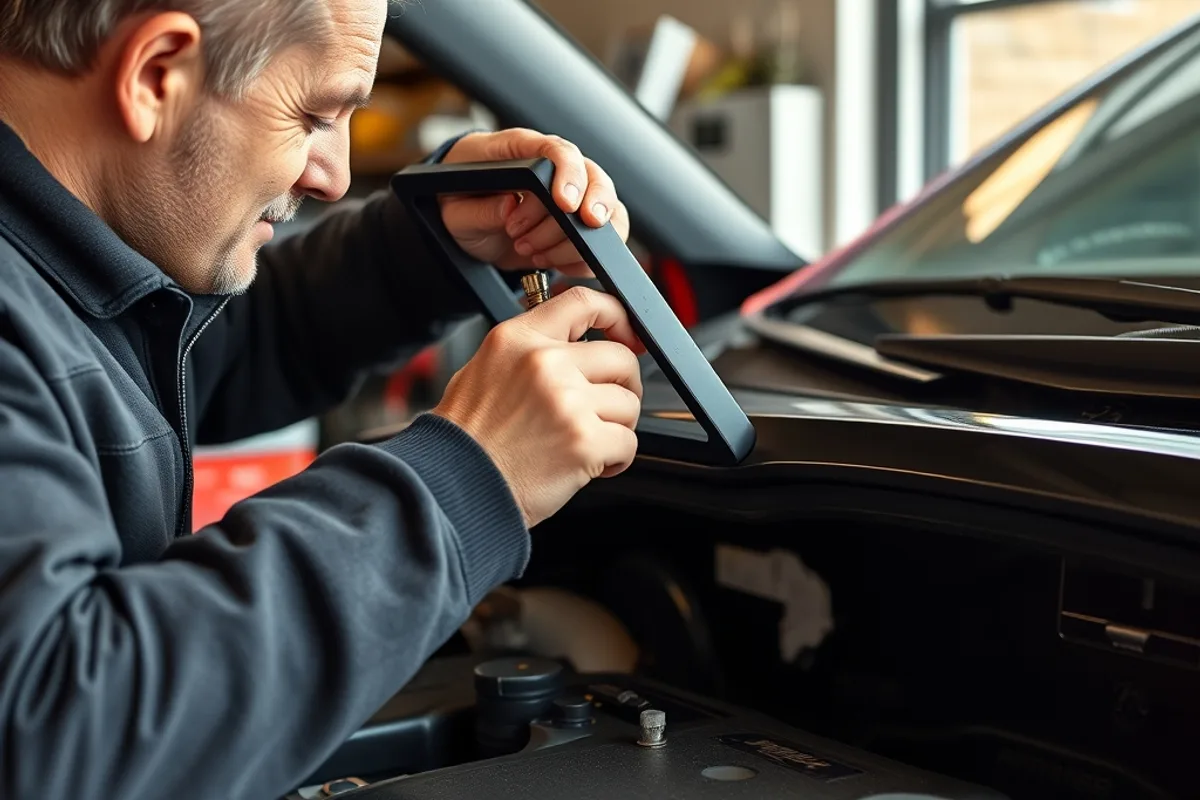
Standard paper filters are fine for most drivers. Activated-carbon filters cost a little more and reduce odours, which helps in heavy traffic. Avoid washable filters unless the manufacturer specifies one; most cabin filters are not designed to be cleaned and reused.
"The cabin filter is a ten-dollar part with a fifty-dollar markup. Check it yourself once and you will never overpay for it again."
Pair this job with an engine air filter inspection and a fluid check. Our brake pad cost guide explains the next maintenance item most shops upsell, and the auto maintenance collection has the full schedule.
The bottom line
Replace the cabin air filter every 20,000 to 30,000 miles, or yearly if you drive in dust and pollen. Buy the part online, spend ten minutes fitting it, and keep the receipt. Your lungs, your air conditioning and your wallet all benefit.