Classic Car Buying Checklist: Inspect Before You Fall in Love
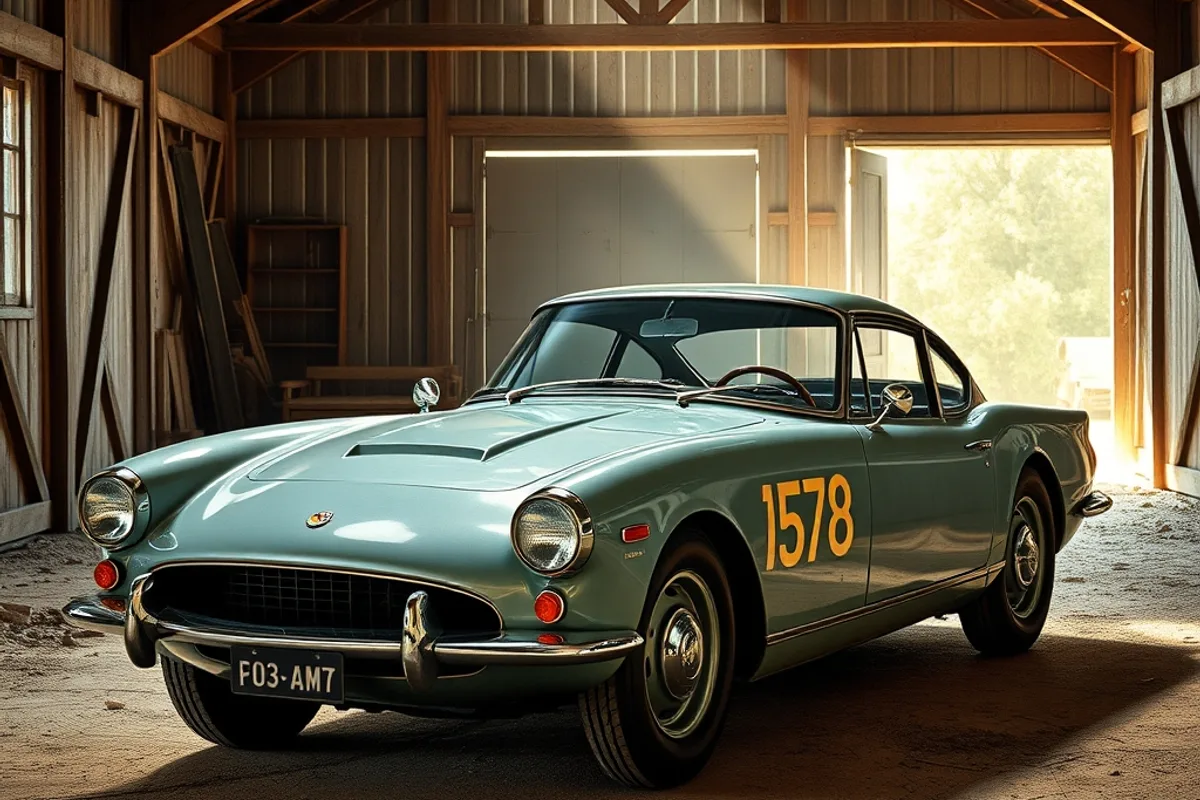
Classic cars are bought with emotion and paid for with patience. The photographs always look better than the car, the seller always has a story, and the rust always hides somewhere expensive. This checklist is the one we use before recommending any classic to a buyer, and it starts before you leave the house.
Before you view the car
Ask for the VIN, the title, and photographs of the engine number, chassis plate and any restoration records. Search the VIN in owner forums and registries. Confirm the car is being sold by its owner rather than a flipper who bought it last month.
Research the model's common faults. Every classic has known weak points, whether it is a cooling system, a specific gearbox or a rust-prone sill. Join an owners' club forum and ask what to look for; the answers will save you thousands.
Rust is the first inspection
Bring a torch and a magnet. Check the sills, wheel arches, floor pans, boot floor, jacking points, battery tray and windscreen surround. A magnet that does not stick may indicate filler over rust. Bubbling paint is always worse underneath.
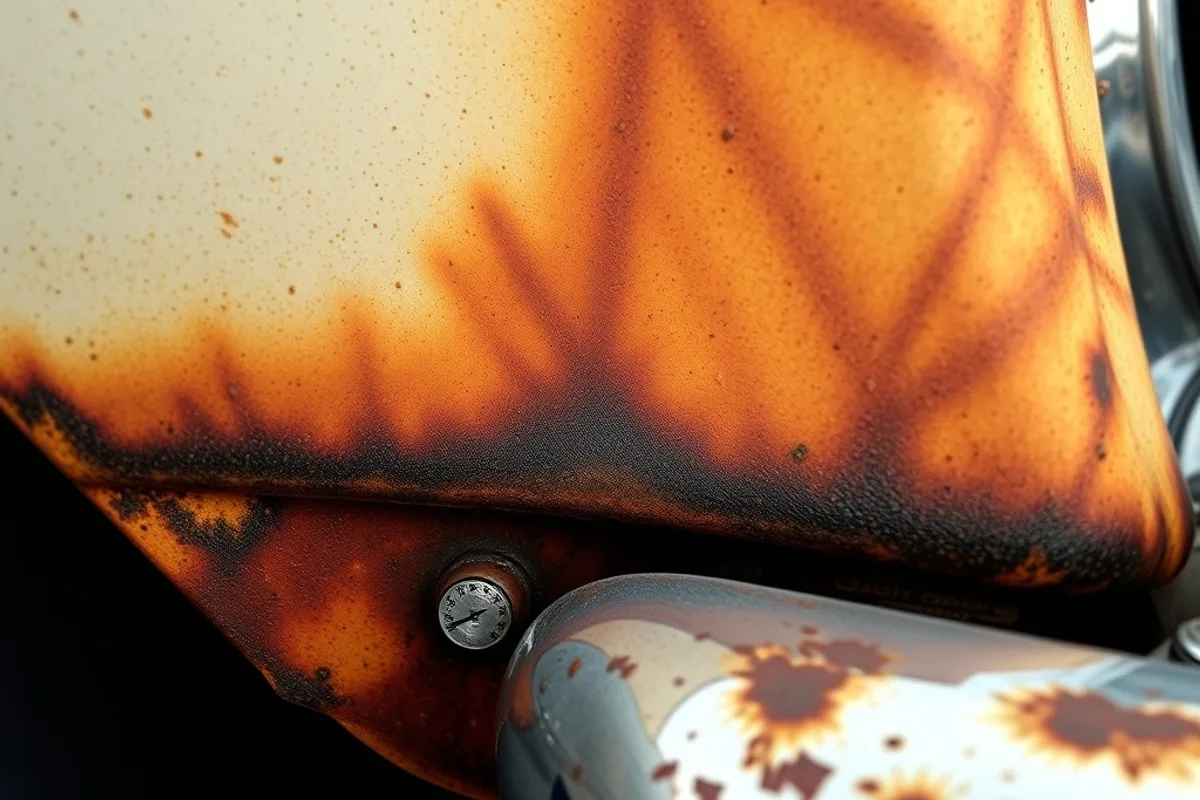
Look underneath the car on a ramp or with a mirror. Fresh underseal can hide repairs, and patch welding should be neat and seam-sealed. Surface rust on suspension components is normal; rot in structural sections is not.
Body, paint and panel gaps
Walk around the car and compare panel gaps. Uneven gaps suggest accident repair or a poor restoration. Check that doors, bonnet and boot close with a solid sound, and look down the sides for ripples in reflections. A cheap respray can look good in photos and terrible in sunlight.
Original paint is valuable, but worn original paint is still preferable to a bad respray if you plan to drive the car. Judge condition honestly rather than falling for shine.
Engine and mechanical checks
Start the engine from cold if possible. Listen for knocking, tapping and exhaust leaks. Check for oil smoke on start-up and when revved. Inspect the coolant for rust or oil, the oil for coolant contamination, and the engine bay for fresh seals hiding leaks.
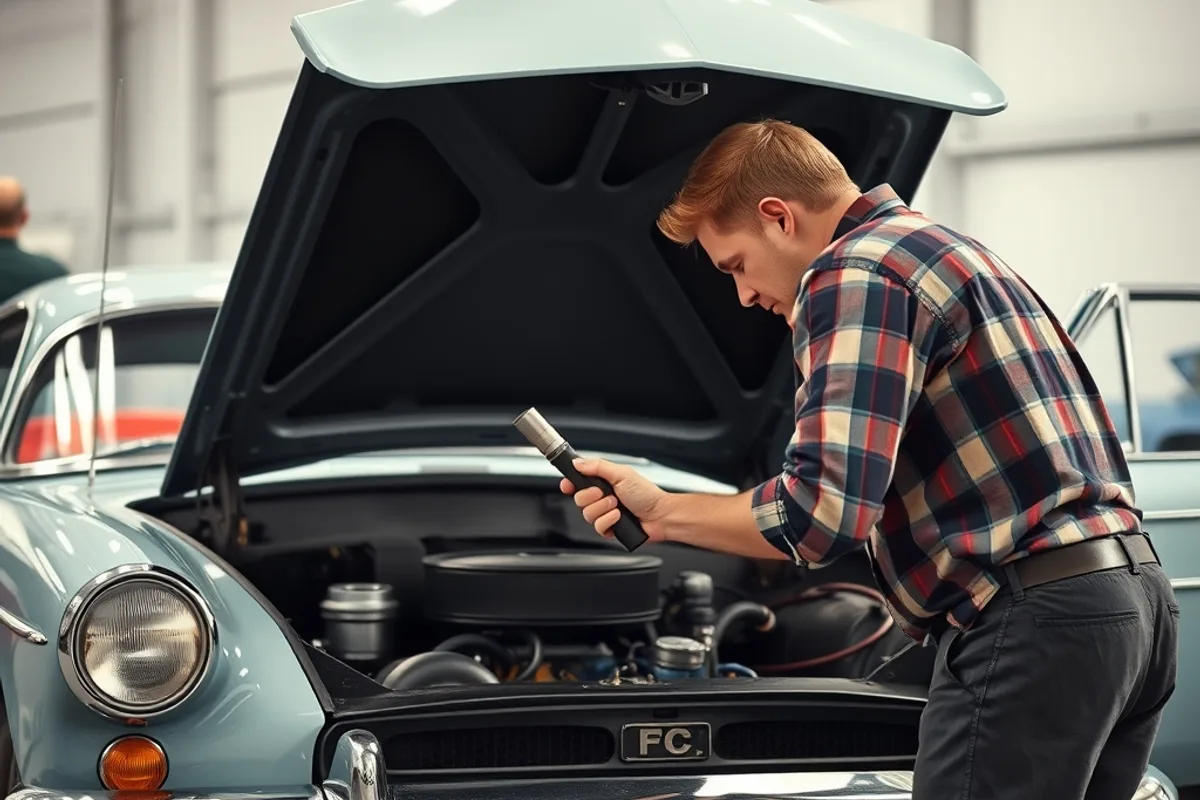
Look at the engine number and compare it with the documentation. Matching numbers add value and prove originality. Non-matching engines are not automatically bad, but they should be reflected in the price.
Interior and electrics
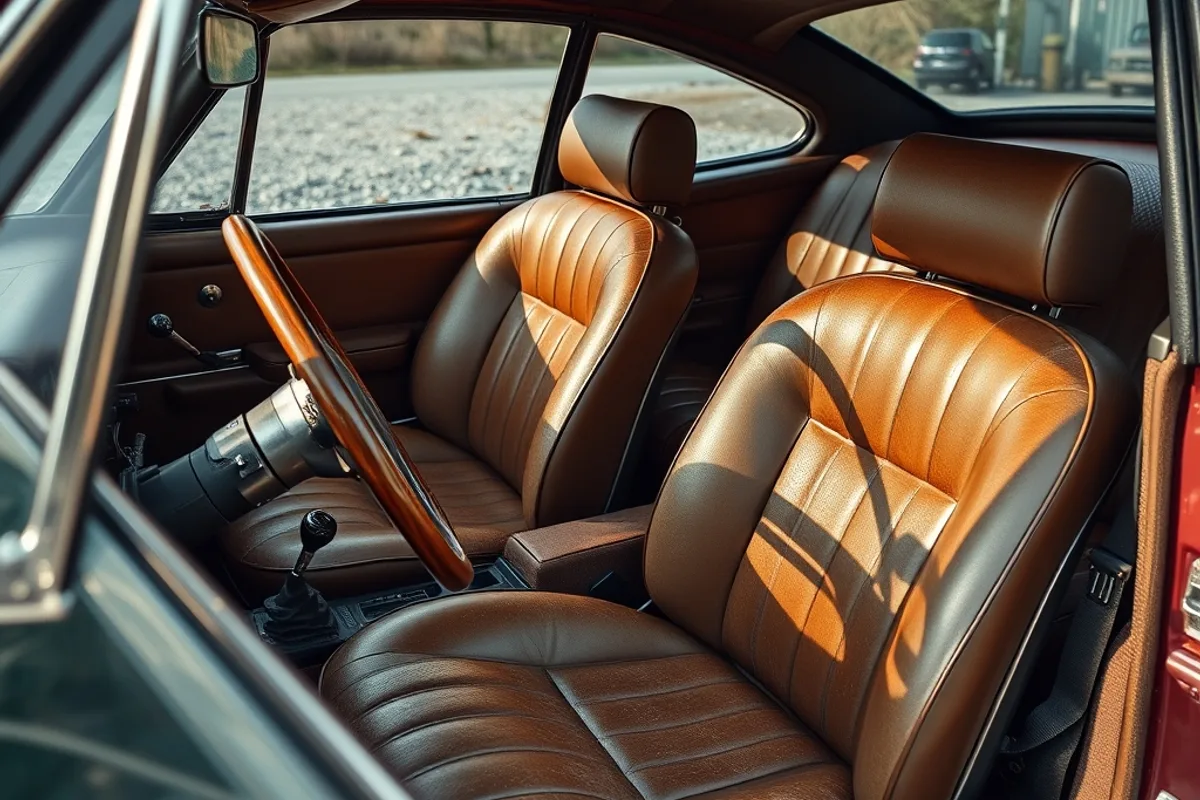
Classic interiors are expensive to restore. Check seat frames, door cards, dashboard cracks, headlining and carpets for damp. Operate every switch, light, gauge and window. Electrical faults are common and can be time-consuming to trace.
Smell the carpets for mildew. Water leaks around the windscreen and heater matrix are frequent causes of rust and odour. A damp car is a project, not a bargain.
Paperwork and history
A complete history file is worth real money. Look for the title in the seller's name, service records, old MOT or inspection certificates, restoration invoices and photographs. Verify that the VIN on the car matches the title and the chassis plate.
"A classic with a thick history file is cheaper than a mystery car, even when the sticker price is higher."
The test drive
Drive for at least 20 minutes, including slow traffic and a fast road. Check gear selection, clutch bite, brakes, steering play and suspension noise. Let the engine reach temperature and watch the gauges. After the drive, look underneath for fresh leaks.
If the seller will not allow a proper test drive or an independent inspection, walk away. There will be another car.
Negotiating and buying
Use the inspection findings to negotiate, not to insult. Price the repairs at specialist rates and subtract a margin for surprises. Agree the sale in writing, confirm the payment method and transfer the paperwork properly. Never pay in full before the title is verified.
Budget a 20 percent contingency for the first year. Classics reward preventive maintenance, and a car that has sat unused will need tires, fluids, hoses and brakes sooner than the seller admits. For storage advice after purchase, read our classic car winter storage plan.
The bottom line
Buy the best car you can afford, not the cheapest project. Inspect for rust first, verify the paperwork second and drive it properly third. A professional inspection costs less than one hidden repair and is the best money you will spend in the whole process.