Classic Car Winter Storage: The Plan That Prevents Expensive Damage

Winter is kind to nobody's classic. Damp air attacks steel, stagnant fuel turns to varnish, tires flat-spot and batteries drain. The good news is that a few hours of preparation in autumn prevent most of the damage that appears in spring. This is the routine we recommend to owners who store their cars for three to six months.
Clean before you store
Wash and dry the car thoroughly, including the underside and wheel arches. Dirt holds moisture, and road salt is corrosive even in a dry garage. Apply wax to painted surfaces and a protective dressing to rubber seals. Clean the interior and vacuum the carpets so mice have less to nest in.
Treat any existing rust before storage. A small bubble will grow over winter, and a dry garage does not stop corrosion once it has started. Touch in stone chips and wax the chrome.
Fuel and engine preparation
Fill the tank nearly full. An empty tank collects condensation, which leads to rust and fuel contamination. Add a fuel stabilizer according to the label and run the engine for a few minutes so treated fuel reaches the carburettor or injectors.
Change the oil before storage rather than after. Used oil contains acids and moisture that attack bearings over months. Run the engine briefly to circulate clean oil, then switch off. Remove the spark plugs, add a little oil to each cylinder and turn the engine over by hand if the car will sit for a long time.
Battery care
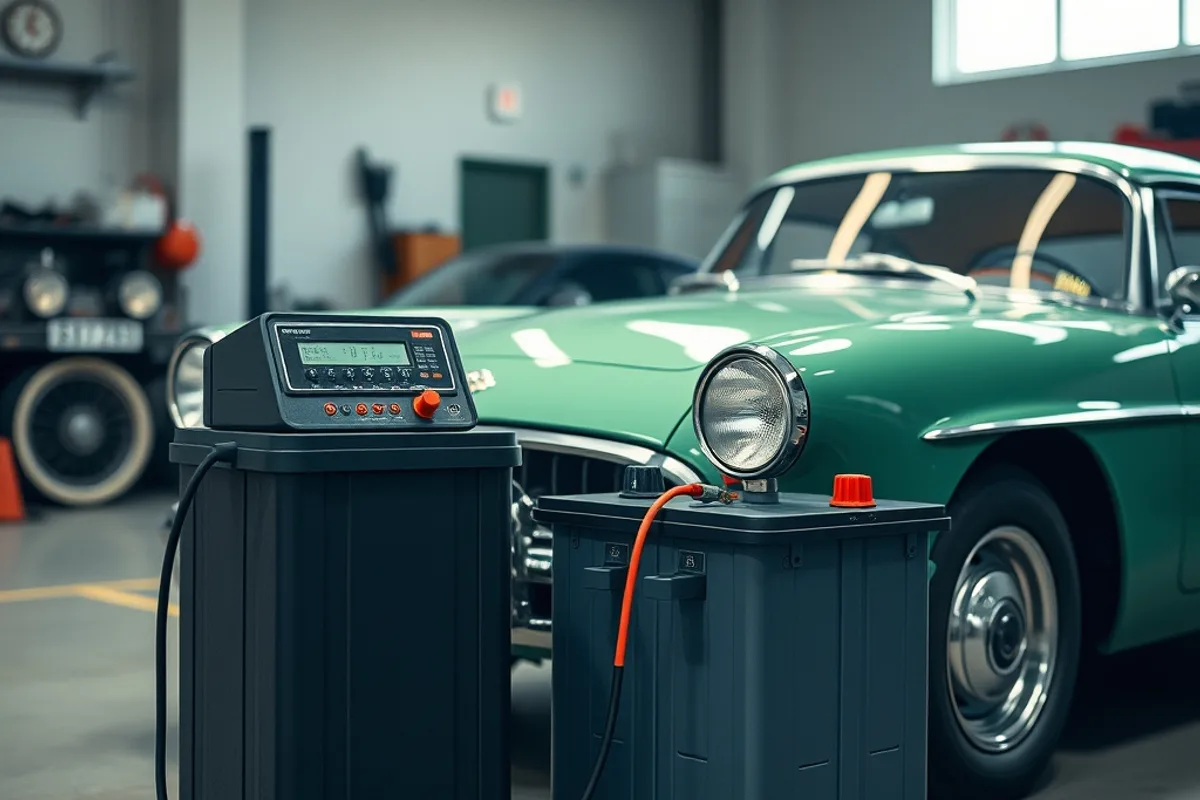
A lead-acid battery discharges over weeks and can freeze in cold weather. Remove it and store it in a cool, dry place, or leave it in the car connected to a smart maintainer. A maintainer is better than a trickle charger because it stops when full and resumes when needed.
Clean the terminals and apply a protective grease. Label the battery if you remove it, and check the date; a battery near the end of its life is better replaced before spring than after a failed first start.
Tires and suspension
Tires flat-spot when a car sits on the same contact patch for months. Overinflate them by 10 to 15 psi, or better, raise the car on axle stands so the wheels hang free. Never support a car on its suspension arms or sills; use the manufacturer's jacking points.
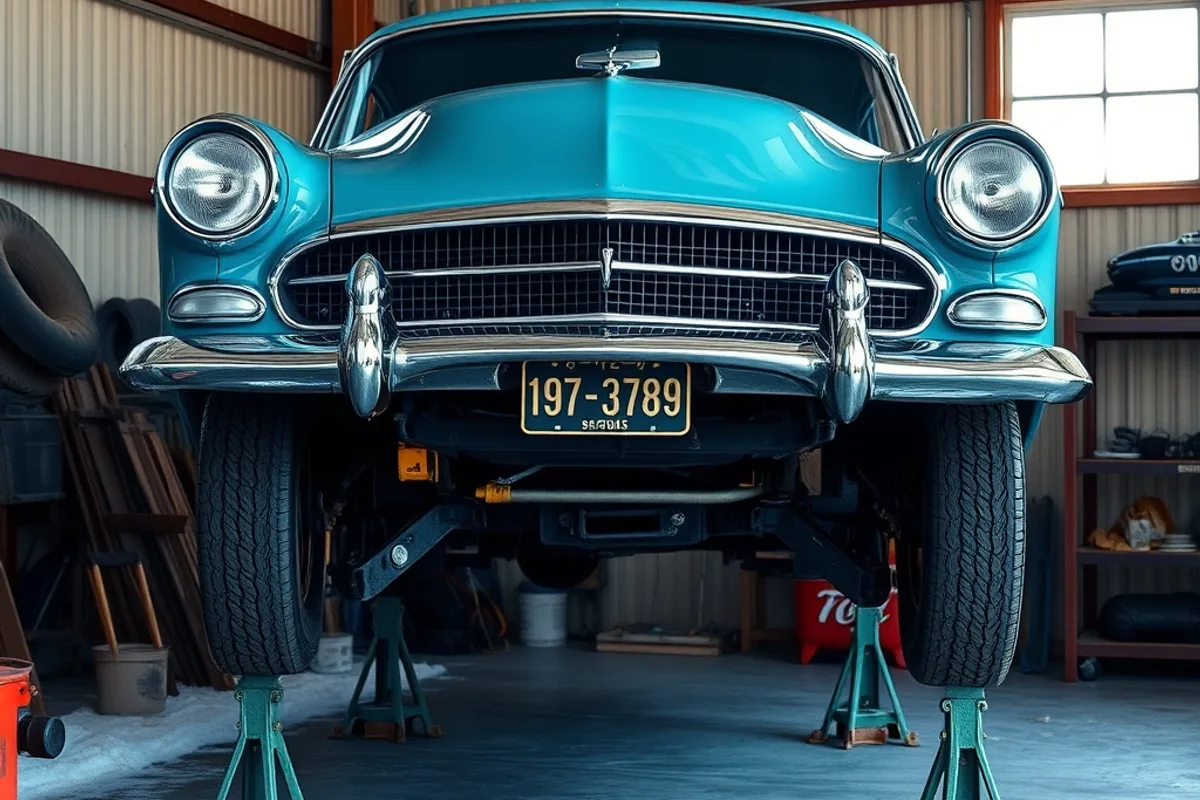
If you leave the car on the ground, move it a few inches every few weeks. This is impractical for many owners, so axle stands or tire cradles are the better solution. Check tire pressures again before the first drive.
Moisture and ventilation
A dry garage is essential. Fix roof leaks, clear gutters and seal the floor if it sweats. Use a dehumidifier with a drain hose, or a breathable car cover that allows moisture to escape. A plastic cover traps condensation and causes more harm than good.
Leave a small gap for ventilation. Place moisture absorbers inside the cabin and boot, and check them monthly. Rodent traps and deterrents are also worth setting; wiring damage is expensive and common.

Brakes, clutch and transmission
Do not leave the handbrake applied for months; the shoes or pads can stick to the discs or drums. Leave the car in gear or use wheel chocks instead. On manual cars, leave the clutch pedal released to avoid sticking.
"Most spring breakdowns are caused by autumn shortcuts. An hour of preparation in October saves a wallet of pain in April."
Insurance and paperwork
Tell your insurer the car is in storage. Many policies offer reduced premiums for laid-up vehicles, but coverage terms vary. Keep the registration and title secure, and note the odometer reading. If the car is valuable, confirm agreed-value coverage before storage.

Waking it up in spring
Remove the cover, check for leaks and rodent damage, and inspect the tires. Reinstall the battery, check fluids and tire pressures, and start the engine gently. Let it idle to temperature and watch the gauges. Drive slowly for the first few miles to free the brakes and warm the tires.
Change the oil if you did not do it before storage, and inspect the brake lines and coolant hoses. A cautious first drive is cheaper than a roadside recovery. For buying advice, see our classic car buying checklist.
The bottom line
Clean the car, stabilize the fuel, protect the battery, lift the tires and control moisture. Those five steps prevent the most expensive storage damage. Do them properly in autumn and your classic will reward you with an easy start in spring.