Winter Driving Tips: 12 Habits That Keep You Out of the Ditch
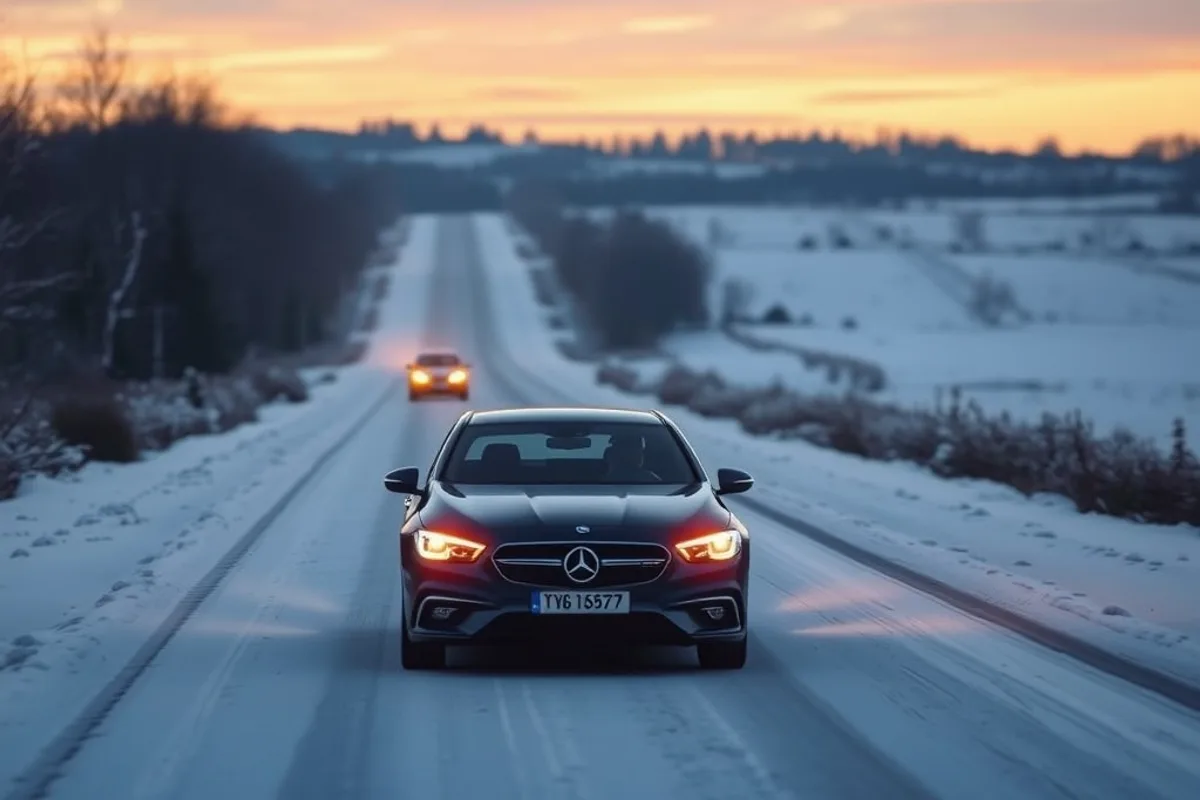
Winter driving is not a test of bravery. It is a test of preparation and patience. The drivers who end up in the ditch are usually the ones going too fast for the conditions, following too closely or reacting too late. These twelve habits are the ones instructors and recovery crews repeat every year, and they work.
1. Prepare the car before the first storm
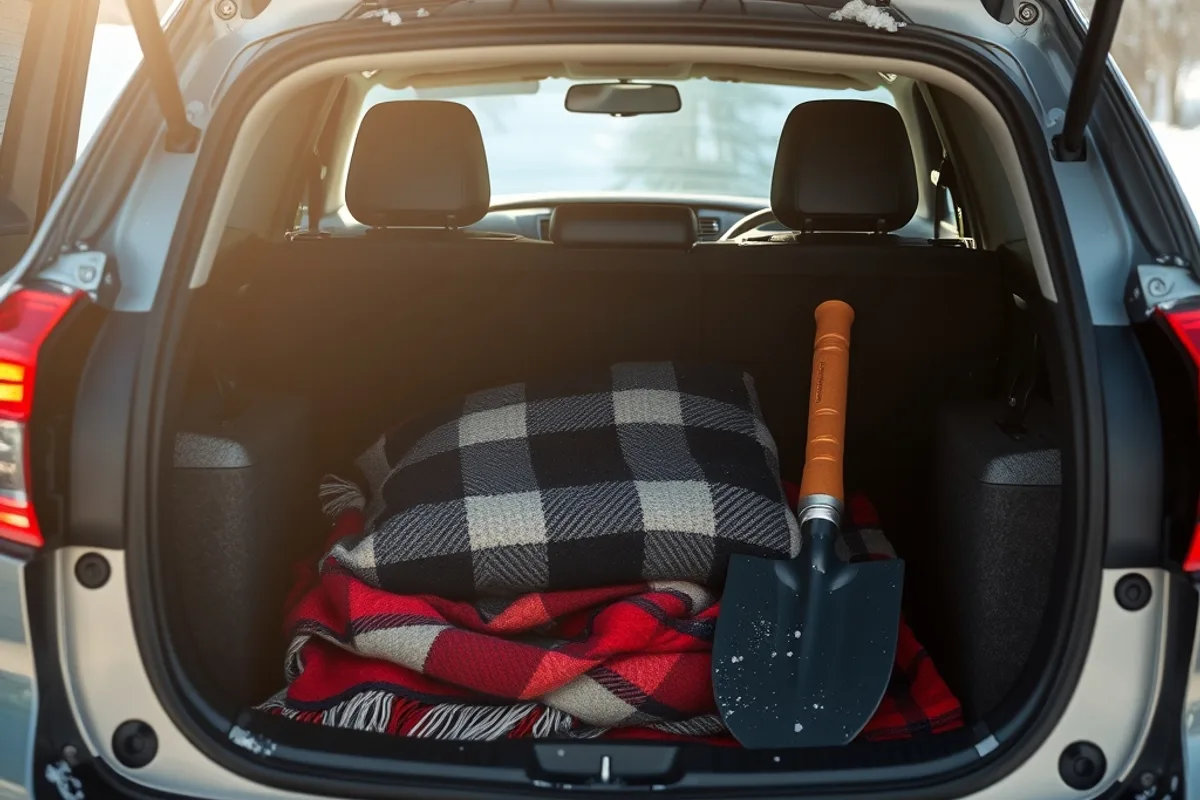
Check tire tread, pressures and the spare. Test the battery, replace worn wipers and top up winter washer fluid. Ensure all lights work and the heater clears the windscreen quickly. Carry an emergency kit with a blanket, torch, shovel, gloves, food, water and a phone charger.
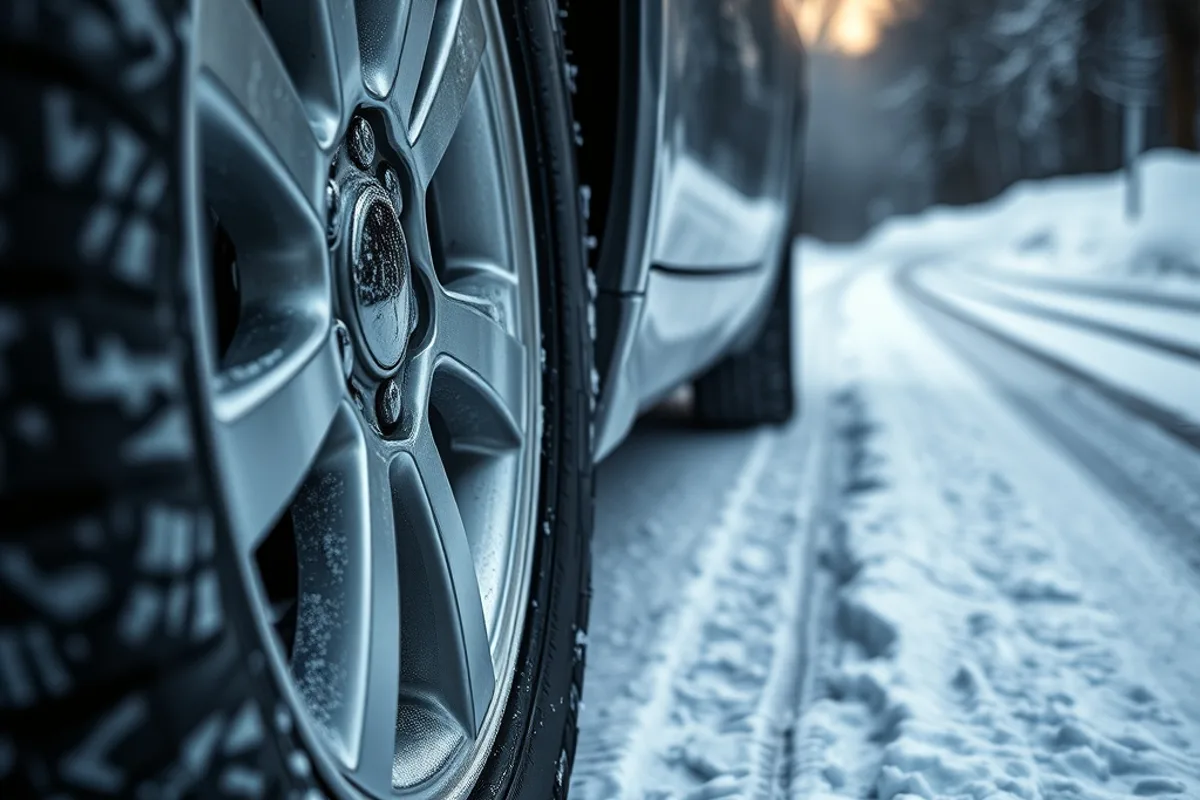
Do not rely on all-season tires in persistent snow and ice. Winter tires use softer compounds and deeper treads that grip below 45 degrees. On a rear-wheel-drive car they are transformative; on any car they shorten stopping distances dramatically.
2. Clear the whole car, not just the glass
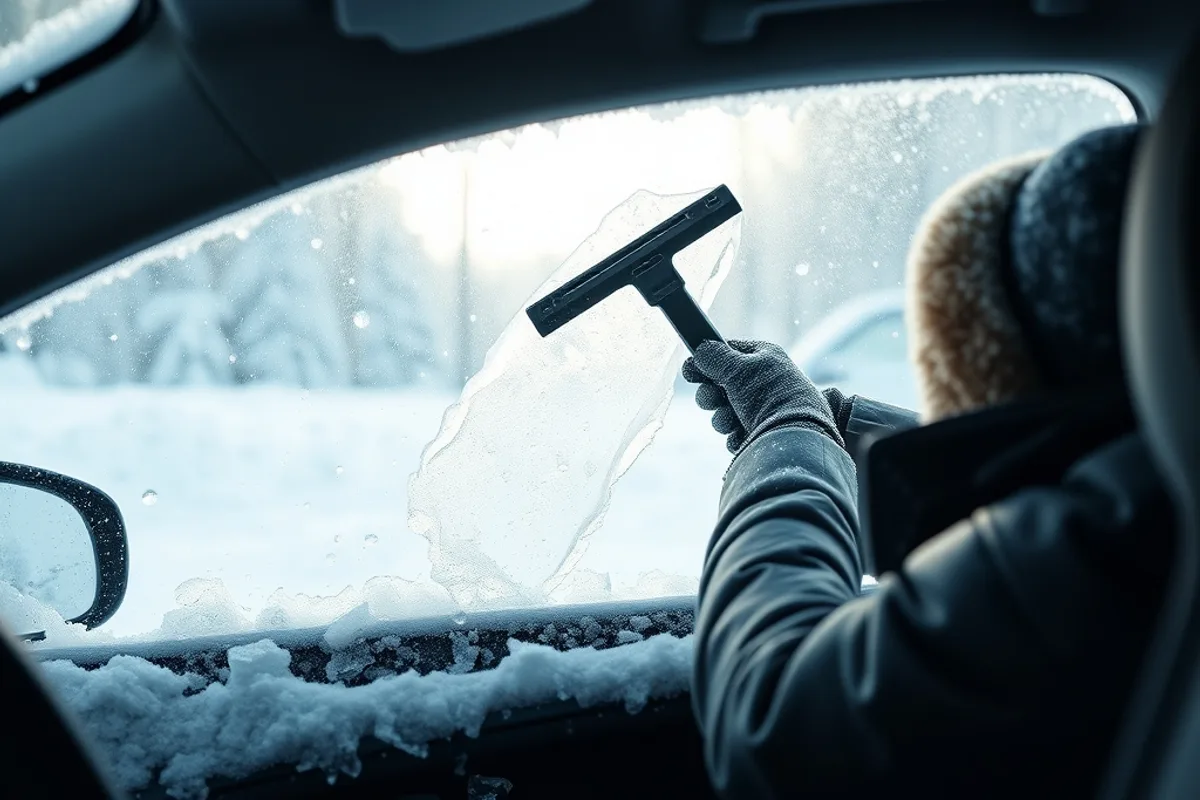
Clear snow from the roof, bonnet, boot and lights. Snow sliding off the roof can blind the driver behind you or block your own view under braking. Frozen wipers should be freed by hand before use, and the windscreen should be fully defrosted before you move.
3. Slow down before the conditions demand it
Speed limits are for dry roads. Reduce speed on bridges, shaded corners and untreated lanes, where ice forms first. If you feel the tires losing grip, you are already too fast. The goal is to never need an emergency correction.
4. Increase following distance
Four seconds is the minimum in wet weather; leave six or more on ice. The extra gap gives you time to brake gently and lets the car ahead make mistakes without involving you. Tailgaters should be allowed to pass, not raced.
5. Brake early and smoothly
Brake in a straight line before the corner, not during it. Squeeze the pedal progressively and release gently. If the car has anti-lock brakes, keep firm pressure and steer; do not pump the pedal. On ice, threshold braking is difficult, which is why distance matters more than technique.
6. Steer with your eyes
Look where you want to go, not at the obstacle. Your hands follow your eyes. In a skid, look toward the gap you want, not at the tree you fear. This single habit prevents many panic reactions.
7. Understand understeer and oversteer
If the front tires lose grip and the car pushes wide, ease off the accelerator and straighten the steering slightly. If the rear steps out, look and steer where you want to go and avoid slamming the brakes. Both corrections require space, which is why speed and distance come first.
8. Use lights correctly
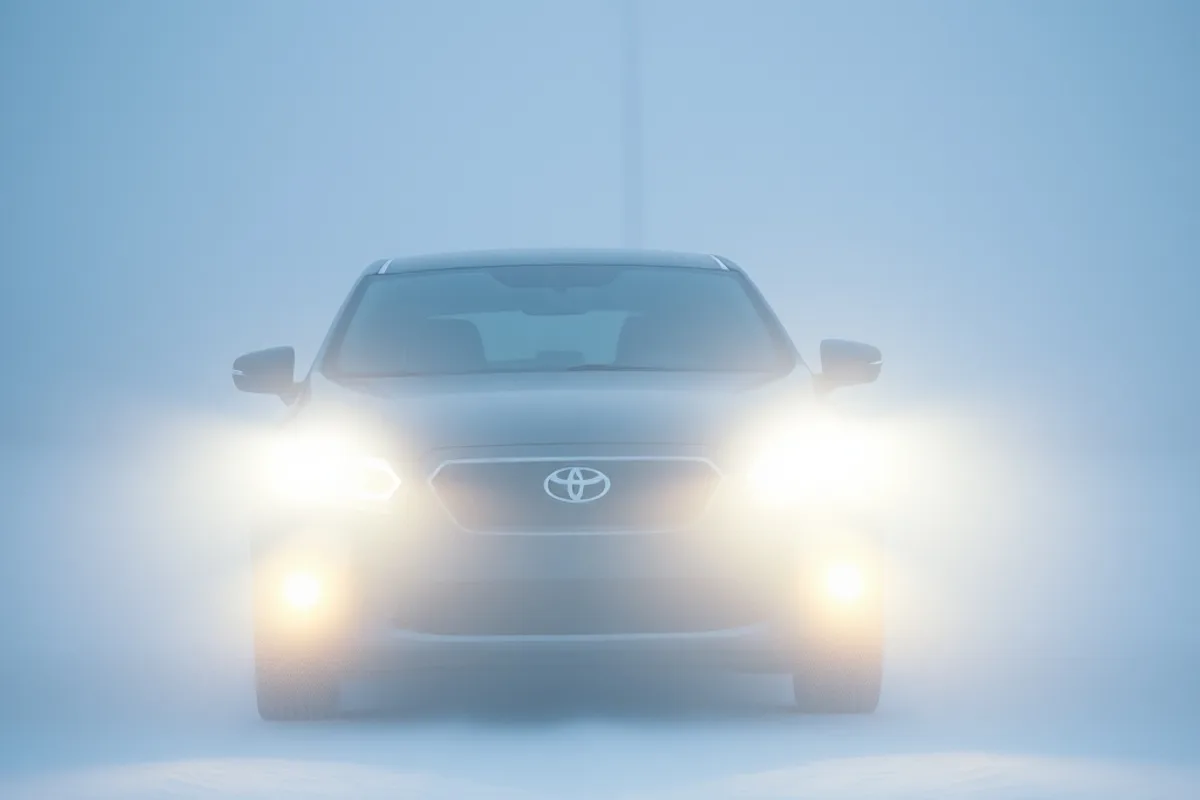
Turn on dipped headlights in snow, rain and fog. Avoid full beams in fog because they reflect back and reduce visibility. Use hazard lights only when genuinely stationary or in an emergency, not while driving in poor weather.
9. Do not use cruise control
Cruise control cannot react to a slippery patch and may accelerate when wheels lose grip. Disable it in rain, snow and ice. Adaptive cruise is also best switched off in bad weather because sensors can be confused by spray and snow.
10. Handle hills with momentum and care
On a snowy incline, maintain gentle momentum and avoid stopping if possible. On a descent, use a lower gear to limit speed rather than riding the brakes. Leave extra space so you do not have to stop on the steepest section.
11. Know when to stay home
If the forecast is severe and your journey is not essential, do not drive. The safest winter driver is the one who recognises that no appointment is worth a crash. Employers and schools generally understand; recovery crews wish more drivers did.
12. Prepare for being stranded
If you get stuck, stay with the car unless help is close. Run the engine intermittently for heat, keep a window cracked for ventilation and clear the exhaust pipe of snow. Use hazard lights and a brightly coloured cloth on the antenna or door handle. Call for help and share your location.
"Winter driving skill is mostly the discipline to leave more room than you think you need and to arrive late rather than not at all."
For car preparation, read our brake inspection guide and the auto maintenance collection.
The bottom line
Fit winter tires, clear the car, slow down early, leave a bigger gap and look where you want to go. None of these habits is complicated, and together they prevent the overwhelming majority of winter crashes. Arrive late, not never.